
Flower myths and legends from global folklore
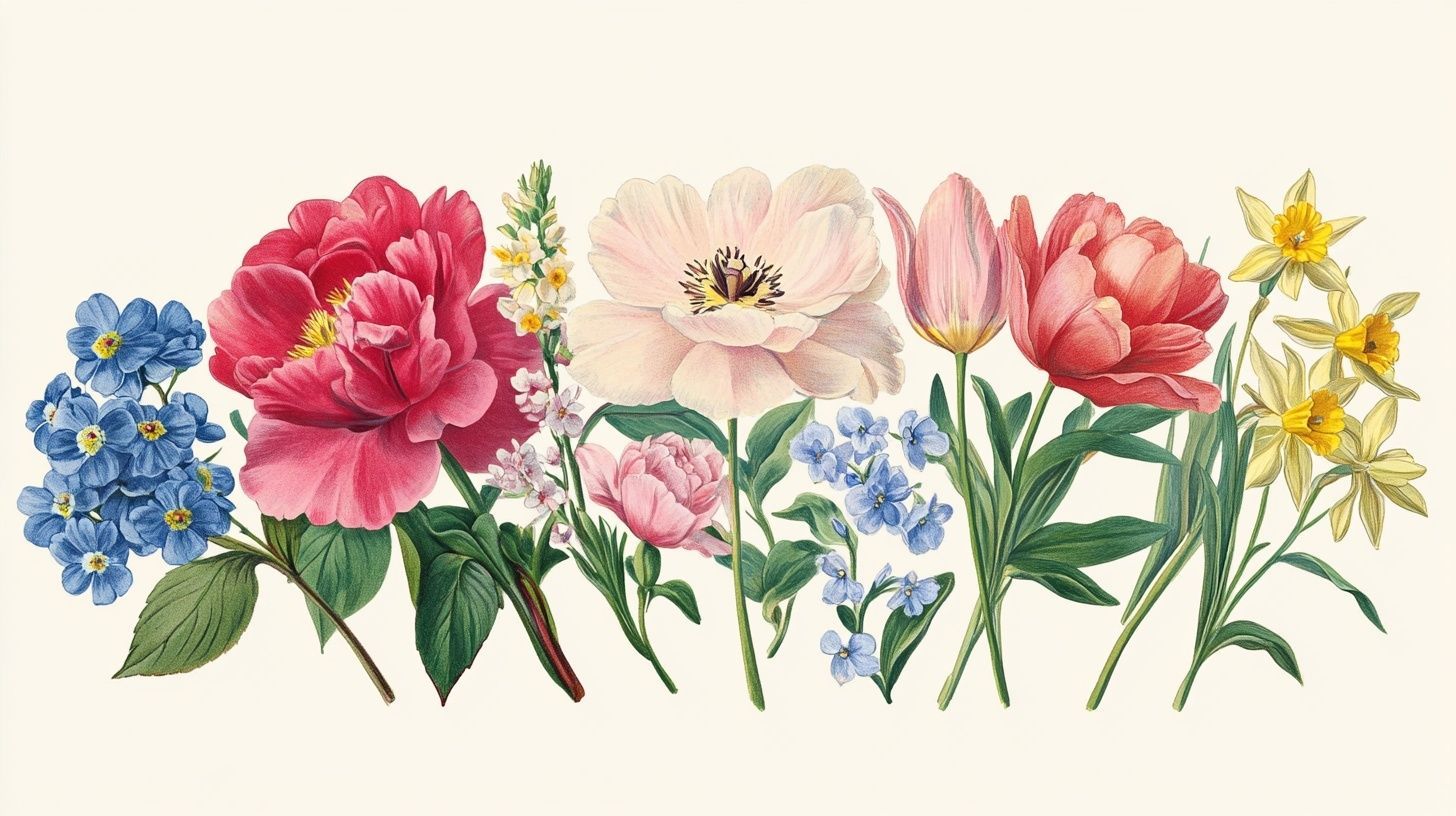
Our ancient ancestors used flowers as a literal language to personify and explain natural events and almost every early religion included plants in their creation myths about how the universe was first created.
Long associated with traditional witchcraft, for thousands of years, flowers (and herbs) in folklore were also seen as critical components of various remedies and were a core part of a folk healer’s toolbox. Often, various physical characteristics were viewed as a sort of divine map to what they were meant to help - does it have a heart-shaped leaf? It’s designed to mend the heart!
Beyond medicine, flowers sometimes also served as the original calendar of the seasons and were used as badges or emblems to identify different clans, families and nations.
Here's a look at some obscure global myths and legends for various flowers in
plant folklore.
Published: 19th Apr 2026
Author: Sian H.
The iris
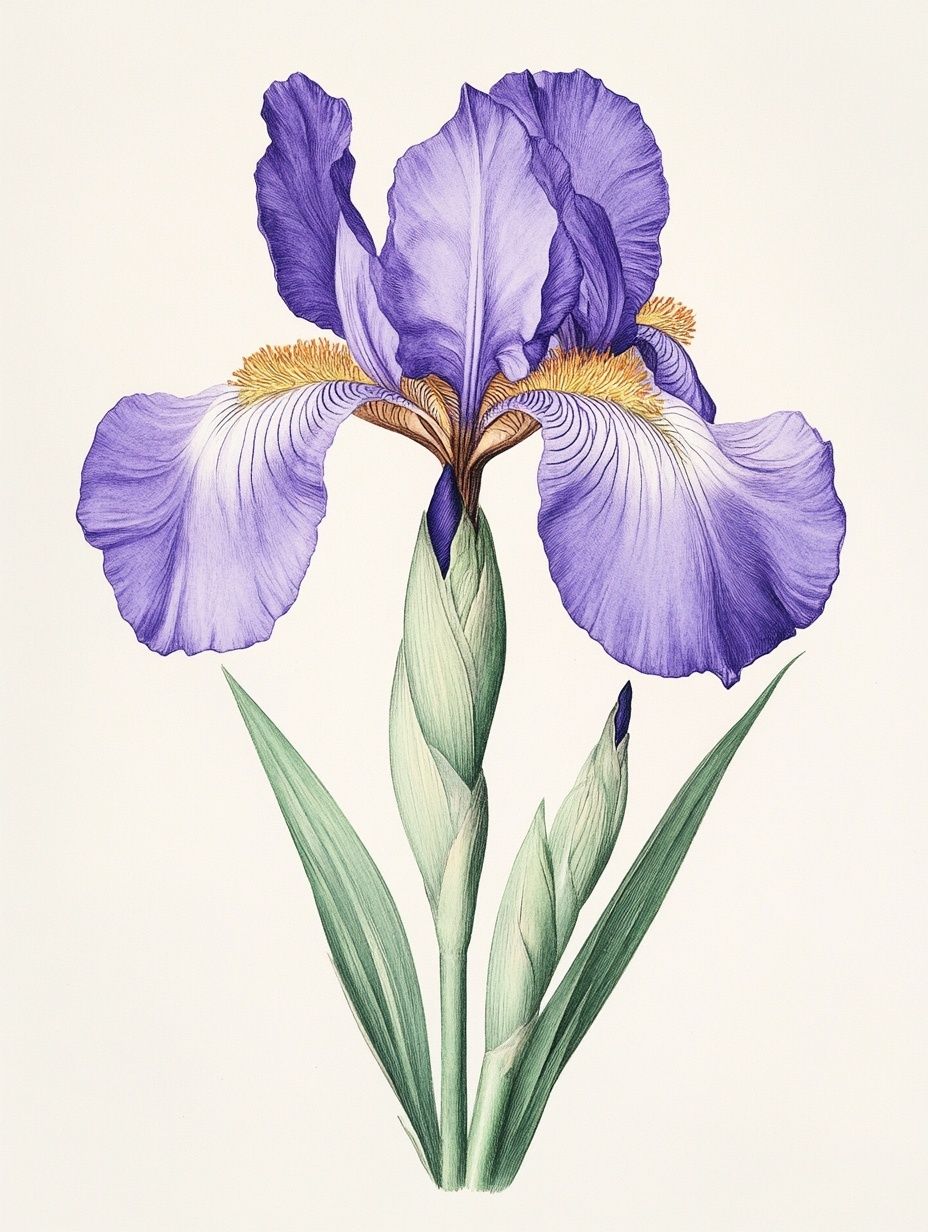
In an ancient Germanic myth, King Clovis (the first king of the Franks) originally had three black toads on his coat-of-arms. It was said that a holy hermit was visited by an angel who brought a bright blue shield featuring three gold irises that shone like the sun.
The hermit gave this heavenly shield to Clovis’ wife, Queen Clotilde, who then gave it to the King to replace his old one. After Clovis adopted the iris, his armies became undefeated. Some historians later believed the "toads" were actually just poorly drawn irises that were mistaken for amphibians by earlier observers.
The iris was later adopted by King Louis VII during the crusades and in some parts was called the "flower of Louis”. It’s most famously known as the fleur-de-lis - although this literally translates to the flower of the lily, the original flower was associated with the River Lys which was surrounded by irises.
The forget-me-not
A European legend tells of a young man walking with his girlfriend beside the Danube, when she noticed a handful of blue flowers growing on a little islet in the middle of the river.
He leaped into the river and, despite the dangerous currents, he reached the island and gathered the blossoms. On his return trip, he got a serious cramp and realized he could no longer fight the force of the rapids.
With his last strength, he flung the bouquet to the bank at her feet and cried, "Forget me not!" before disappearing beneath the surface forever.
The chrysanthemum
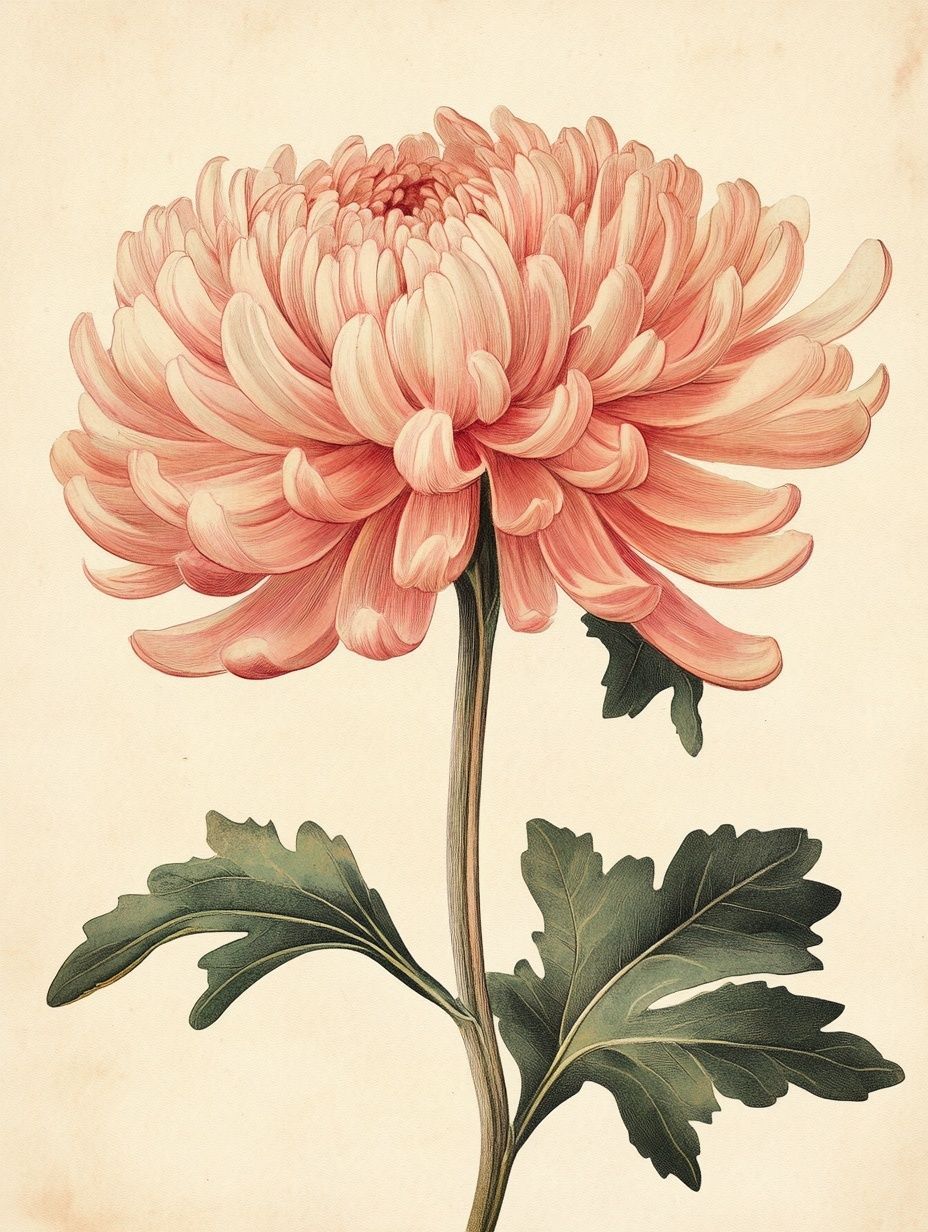
In 246 B.C., a ruthless Chinese emperor heard rumors of a magical plant growing on the islands off the coast (of what is now Japan) that could grant eternal life.
The plant was so sacred that it would supposedly lose its power if it was touched by anyone who wasn't pure of heart (a rule that naturally prevented the evil monarch from harvesting it himself).
To get around this, a young physician led an expedition of 300 young men and women in search of the flower but upon arriving, the doctor found the islands so pleasant - and safely out of the emperor's reach - that he decided to stay and become king.
He abandoned the search for the elixir and his followers populated the new land with (what was perceived as) a more moral and able than the society than the one they had left in China.
The hyacinth
In one version of the ancient Greek myth, this flower gets its name from a handsome youth loved by both the sun god Apollo and Zephyrus, the god of winds.
The boy, Hyacinthus, preferred the former to the latter, which filled Zephyrus with a murderous jealousy. While Apollo and the boy were playing a game of quoits, Zephyrus blew a powerful gust of wind that deflected Apollo's heavy discus, which then hit Hyacinthus in the head and killed him.
Apollo, mourning his friend/lover, declared that the youth's beauty would be recorded in a flower. So he summoned a flower from the blood-soaked earth and sighed "Ai, Ai!" upon its petals to leave a permanent mark of grief.
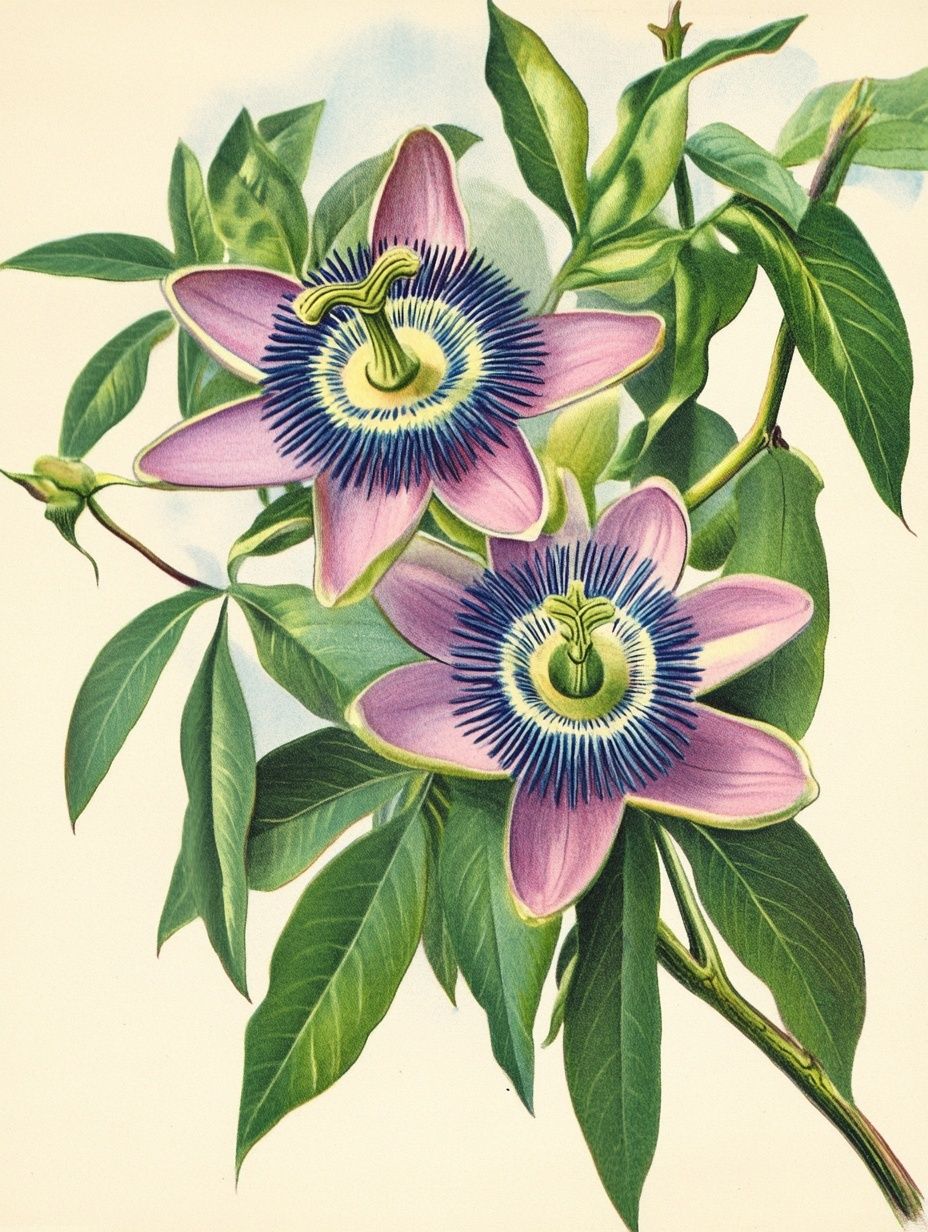
The passion flower
In an old Spanish legend, the passion flower is the plant that climbed the cross and grew around the nail holes in the wood during the crucifixion.
Spanish priests who first found the flower in South American jungles believed its presence was a divine sign that the native people were meant to be converted to Christianity.
They claimed that God had kept the flower hidden and protected in the jungle to hide the mysteries of Christ’s death until the right time.
These religious leaders identified different parts of the flower as symbols of the "Passion" (the physical suffering of Christ): the central column represented the pillar where he was whipped, while the petals represented the crown of thorns.
Other parts were seen as the nails, the hammer and the spear used during the event. The vine’s tendrils were interpreted as the ropes that bound Him and the leaves were said to represent the thirty pieces of silver.
While the flower was celebrated by the church, some later scientists argued that these religious interpretations were simply lies invented by priests.

Shop Authentic Herb & Plant Folklore, 3 eBook Bundle
If authentic folklore and historical accuracy is critical to your research, magic practice or project, these comprehensive vintage texts have got you well covered.
From traditional herbal remedies through plant lore in folk magic, astrology, the occult plus myths, legends and fables from all over the world.
(Clicking the link will open the Mythfolks Etsy shop in a new tab.)
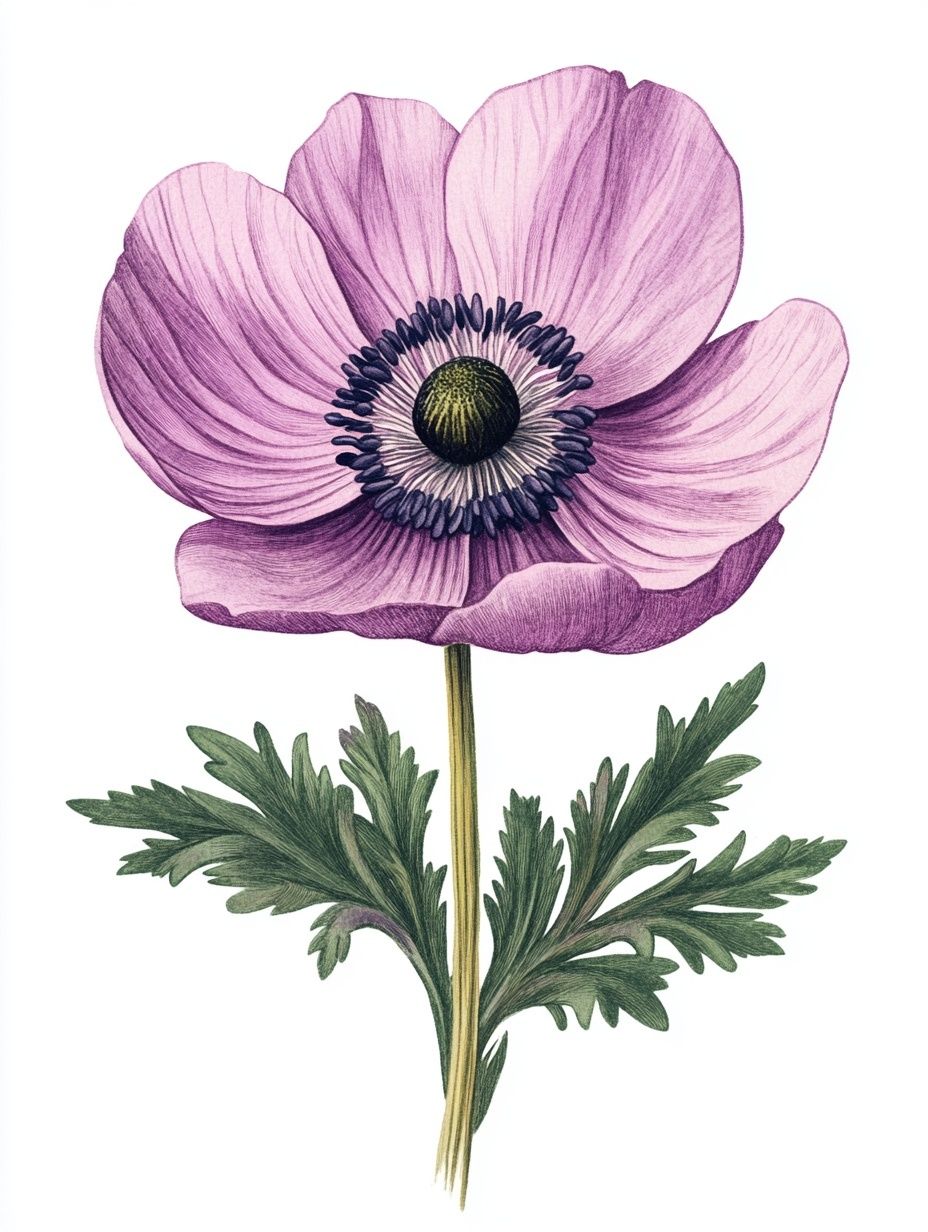
The anemone
In ancient Greek and Roman mythology, when the young Adonis was killed by the fangs of a boar during a hunt, the goddess Venus dampened the earth with her tears.
Through the alchemy of heaven, these tears were translated into anemones, or "wind-flowers," which were said to only open when the first mild breezes started in spring.
Another Greek legend claims the flower was originally a nymph maid at the court of Chloris named Anemone. She was in love with Zephyrus, (the same god from the hyacinth story above), but when Chloris discovered their relationship, she drove the nymph away in anger.
Zephyrus wanted to end his love’s suffering after he abandoned her and changed her into the flower that carries her name.
The christmas rose
In German and Christian tradition, the birth of this flower - also known as the black hellebore - is linked to the night of the Nativity.
A young shepherdess followed her brothers to Bethlehem but was sad because while the wise men offered gold and silk to the child, she had nothing to give.
Then an angel with golden hair appeared and asked why she was so sad. When she explained that she had nothing to bring the infant, the spirit waved a lily and suddenly the desert ground was white with Christmas roses.
The girl filled her arms with the blossoms and presented them at the manger, where the holy child reached out his tiny hands and smiled as she scattered them at his feet.
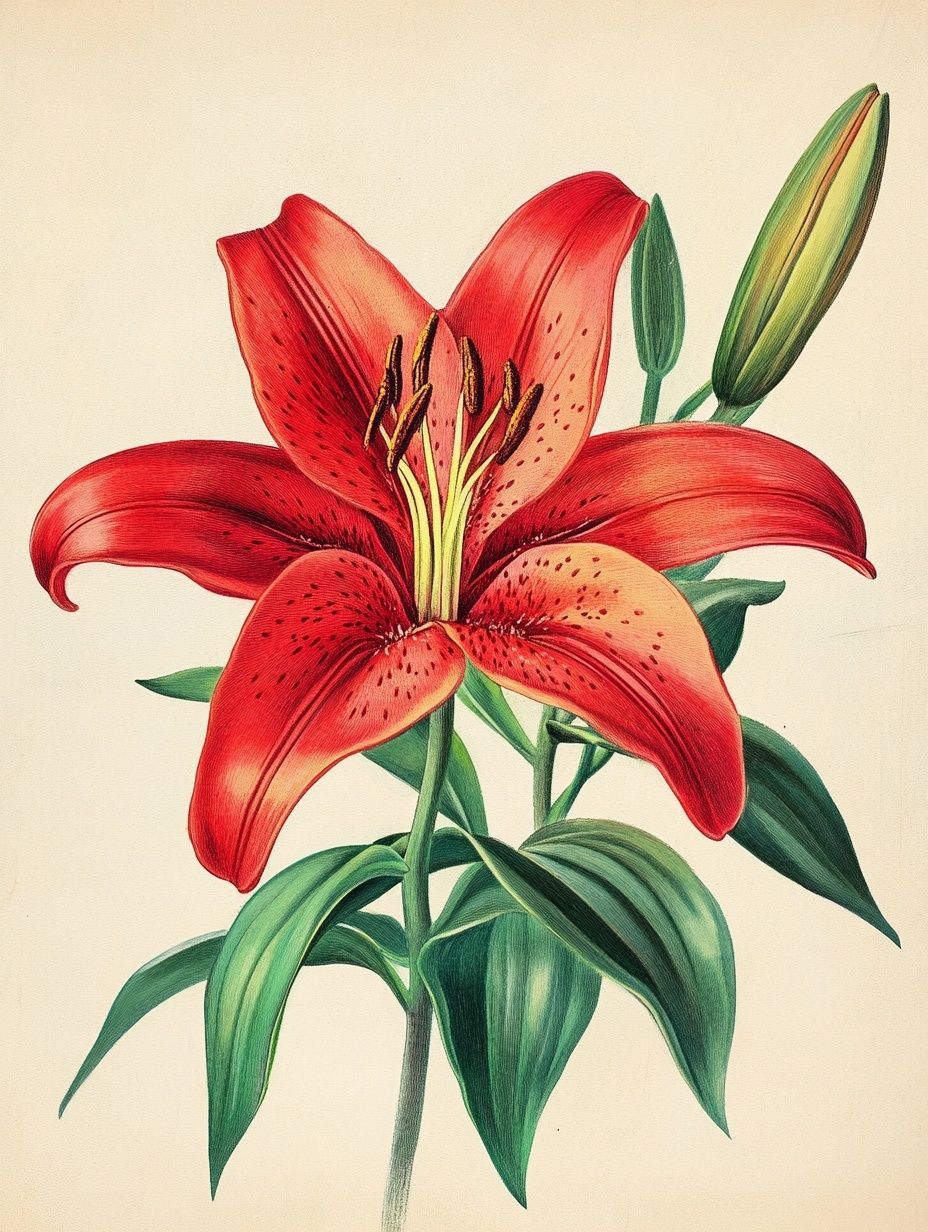
The red lily
Another Christian legend describes how the lily fell from grace in the garden of Gethsemane on the night before the crucifixion.
As Jesus walked through the garden, every other flower bent its head in deep sympathy and sorrow, but the white lily remained upright, convinced that its own beauty and fragrance would provide him with comfort.
When the Lord paused and looked at the flower in the moonlight, the lily suddenly realized its own vanity and self-satisfaction. Overcome with intense shame, a red flush spread over its face and to this day the red lily never lifts its head as it did before that night.
The peony
This Chinese legend tells the story of a scholar who was so devoted to his garden of peonies that one of them manifested into the physical shape of a beautiful woman.
She was his intellectual equal and became his perfect companion - a brilliant poet and artist - but their supernatural bond remained a secret.
When a famous, strict religious leader scheduled a visit, the woman knew their happiness was over. The priest would never tolerate a man living with a plant spirit and fearing his condemnation, she pressed herself against a wall and melted into the surface as a painting.
Her lips moved one last time to explain that she could no longer maintain a human body under the priest’s scrutiny before she faded away into the flowers forever. And presumably the scholar was left broken-hearted…
The tulip
According to a story from Devon (in Southwest England), tulips were once used as cradles by pixies who would rock their infants to sleep inside the satin petals at night.
After a kind woman discovered them and planted more tulips to provide extra cradles, the pixies rewarded her by giving the flowers bright colors and a sweet fragrance like that of a rose.
Following her death, a greedy man destroyed the garden to plant parsley, leading the angry pixies to ensure that no crops ever thrived on that land again.
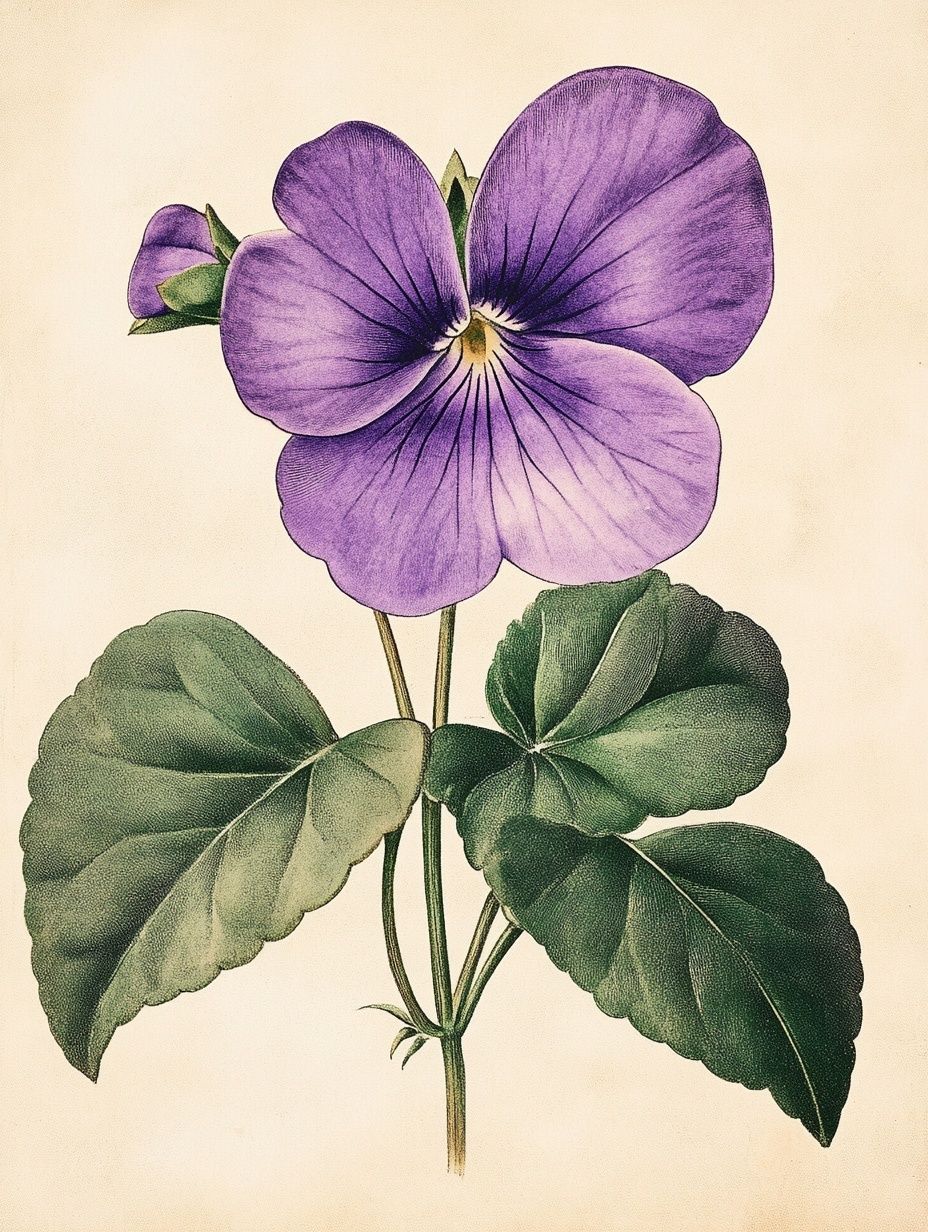
The violet
In a legend from Indigenous American folklore (the exact nation isn’t specified in the source for this one), a great hero fell in love with a maiden from a rival village and watched her for many nights before they finally fled together.
The maiden braided her hair around the warrior's neck as a symbol of their marriage, but they were eventually overtaken and killed by their enemies.
When spring arrived, the first violets grew from the ground where the lovers had fallen. It was said that the delicate lines on the petals represented the braided hair of the maiden and symbolized the couple’s eternal devotion
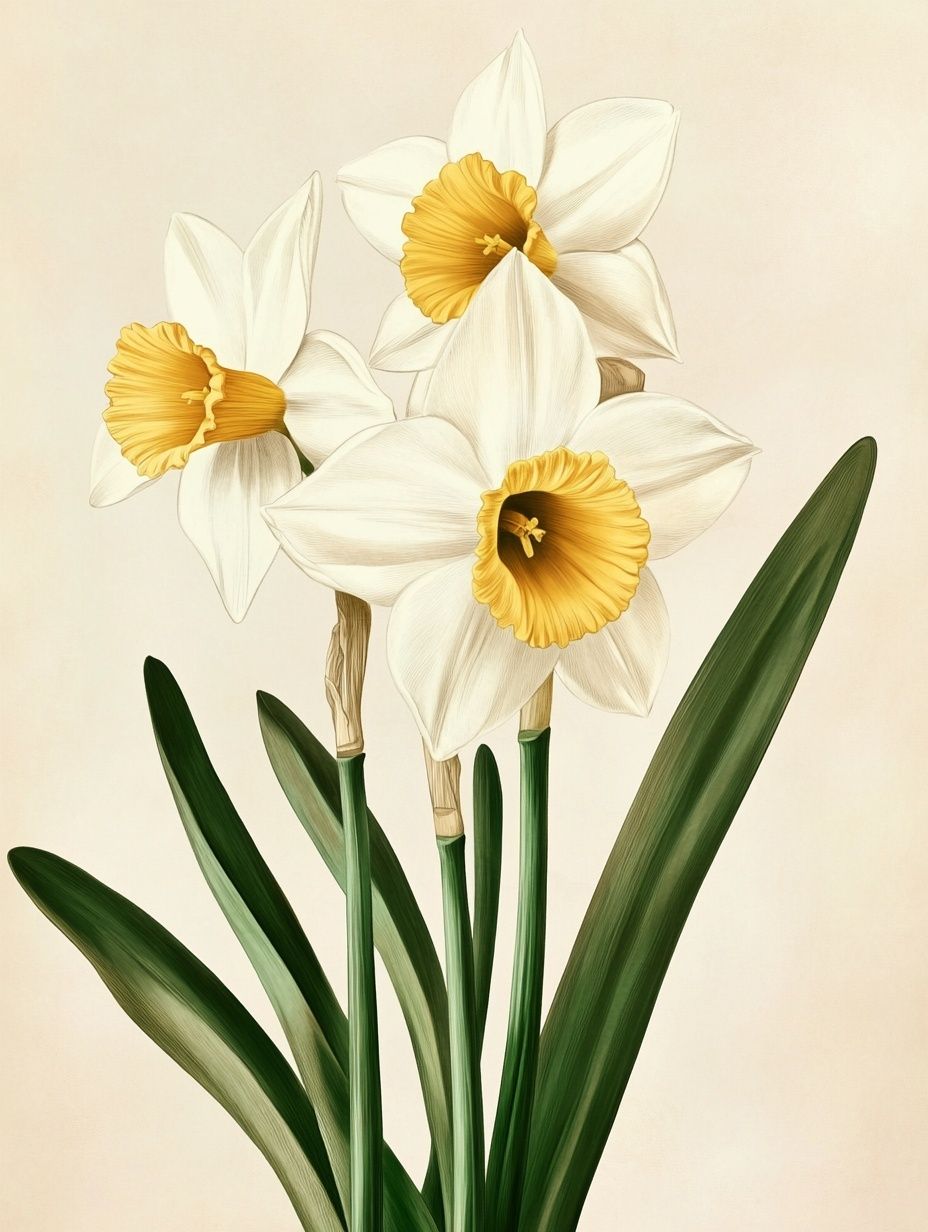
The narcissus (daffodil)
In yet more from ancient Greek mythology (unsurprisingly there is a lot of content from the Classics), the famous story of Narcissus (Narkissos) tells of a handsome youth who was so focused on his own appearance that he ignored the love of others, including the nymph Echo.
As a punishment, he was led to a spring where he saw his own reflection and became so infatuated that he couldn’t look away, eventually dying from weakness or drowning.
In the spot where he died, the nymphs found no body, but instead discovered the white flower with a golden heart known as the poet's narcissus. Because of its association with this somber origin, the Greeks often placed it in the hands of the dead.
The mothan (bog violet)
The mothan is perhaps the most prized plant in
traditional Gaelic occult practice, often appearing in legends as protection against the supernatural. One story tells of a woman who had just given birth to a son. A
shaggy little creature (a brownie) wandered into the house, bewildered, while a voice from outside ordered it to steal the child (this part of the popular changeling
myths in Celtic folklore). The creature responded that it was impossible to take the child because it had drunk milk from a cow that had eaten the mothan i.e it was protected from
fairy mischief.
Article sources
- Brown, O. Phelps. The Complete Herbalist. London: Published by the Author, 1871.
- Budge, E. A. Wallis. The Divine Origin of the Craft of the Herbalist. London: Society of Herbalists, 1928.
- Culpeper, Nicholas. Culpeper's Complete Herbal. London: Richard Evans, 1814.
- Fernie, W. T. Herbal Simples Approved for Modern Uses of Cure. Bristol: John Wright & Co., 1895.
- Hohman, John George. The Long Lost Friend. Harrisburg, PA: 1850.
- Skinner, Charles M. Myths and Legends of Flowers, Trees, Fruits, and Plants. Philadelphia: J. B. Lippincott Co., 1911.
Shop Authentic Herb & Plant Folklore, 3 eBook Bundle
If authentic folklore and historical accuracy is critical to your research, magic practice or project, these comprehensive vintage texts have got you well covered.
From traditional herbal remedies through plant lore in folk magic, astrology, the occult plus myths, legends and fables from all over the world.
(Clicking the link will open the Mythfolks Etsy shop in a new tab.)
You might also like

Herb folklore of myths & legends
Discover obscure old stories from the past about how these herbs came to be, what they used to be used for and what they used to mean.

Animal trial madness of the Middle Ages
Discover the time when animals were put through real human trials - with lawyers and everything...

Old legends of heroic dogs from around the world
These cuddly canines really came through in a jam. Get stuck into short stories that have been buried in history.