
Herb myths, legends & superstitions from global folklore

While herbs are most popularly used today in cooking, in folklore and history they’ve had a long association with all kinds of applications particularly of course in remedies and other folk witchcraft and magic practices.
But what exactly did people used to believe about them and what stories did they tell?
I used multiple excellent vintage sources for this article that were written between the 17th and early 20th centuries, with these books also drawing on 30+ historical sources themselves.
As such, there may be some historical references, names or information that is viewed or categorised slightly differently today. I add contextual information or sometimes update some of these where I can, but I like to leave original information intact as much as possible to understand how things were viewed in the past.
Note:
It also goes without saying that this article is purely for entertainment and information. Nothing in this article should be considered to be medical advice and no herbs or plants should be used in any way that is not specifically deemed safe by modern standards.
Published: 4th May 2026
Author: Sian H.
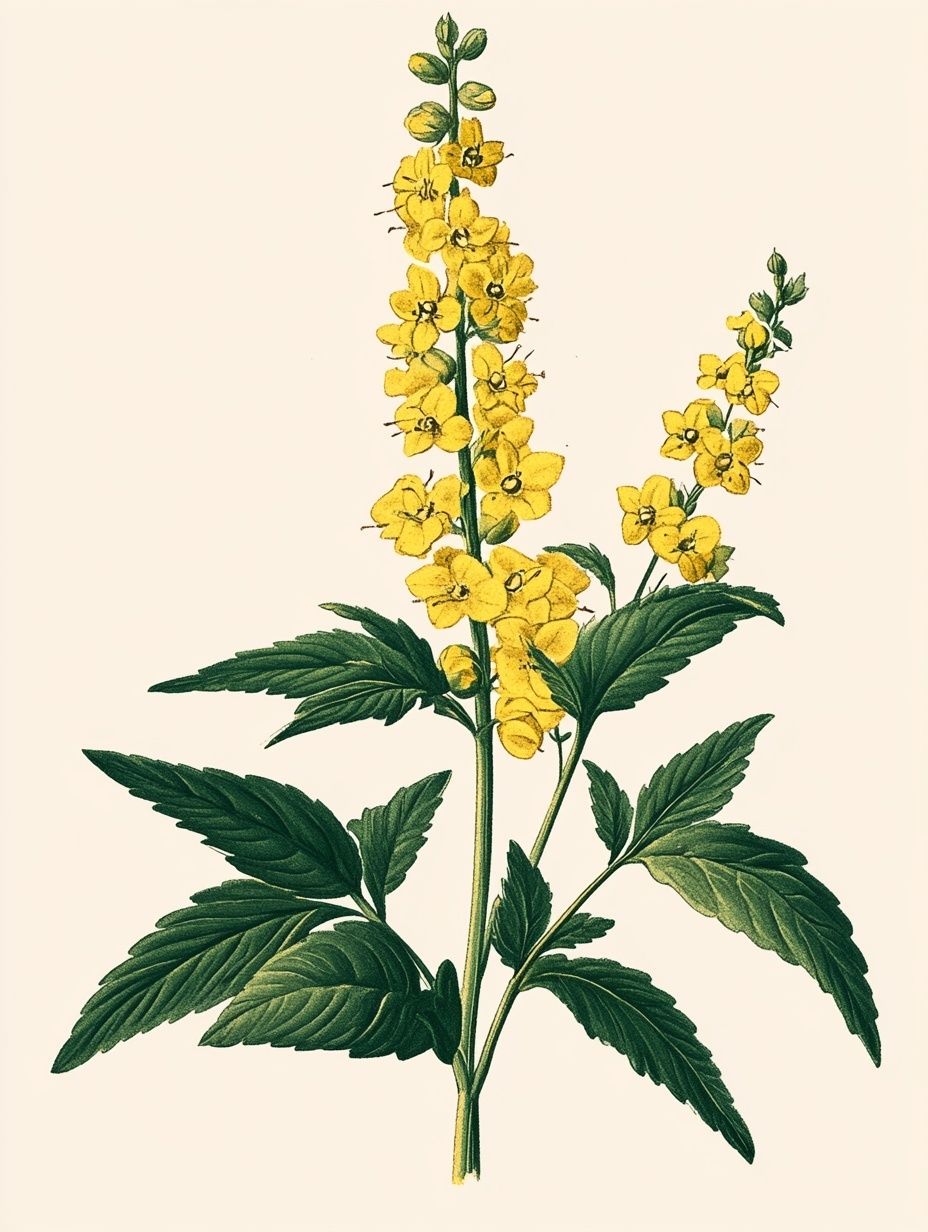
Agrimony
Agrimony was historically celebrated for its extraordinary medicinal virtues, earning it the name “All-heal” from the poet Michael Drayton (a prolific English poet of the Elizabethan and Jacobean eras).
One of its most famous legendary associations involved King Mithridates Eupator of Pontus, who was said to have used the herb as a powerful antidote to counter the poisons administered by his enemies at court. Because of its effectiveness in treating liver complaints, it was also known in earlier times as Liverwort.
In the folklore of the Tyrol (Austria), agrimony was regarded as a magical plant capable of revealing the supernatural. It was believed that by binding a bundle of rue (the herb, also called herb of grace), broom (the yellow shrub), maidenhair (the fern), ground ivy and agrimony, the bearer would be granted the power to see and identify witches.
The herb was also thought to possess a sacred or blessed quality; some herbalists claimed that when the root was kept in a house, the devil was unable to work mischief there and would flee from it.
Medicinally, the sources I used described it as a staple of ancient and medieval pharmacy. Dioscorides recommended it as a cure for the bites and stings of serpents, while later herbalists like Gerarde and Nicholas Culpeper prescribed it for a wide array of ailments including sore throats, gout, ague, colic, ear-aches and ulcers.
Culpeper specifically noted its ability to draw out deeply embedded thorns, splinters or nails from the flesh.
You can
shop Nicholas Culpeper's original, definitive guide on herbal remedies, first published in the 17h century, in the Mythfolks shop here. (this link will open in a new window).

Basil
In Hindu tradition, basil it was the holy herb Tulasi, dedicated to Vishnu and his wife Lakshmi, who was said to be the plant itself in disguise and the heart of Vishnu was believed to be "profoundly agitated" if even a sprig of his wife, the Tulasi, was broken. Because it was thought to open the gates of heaven, a basil leaf was often placed on the breast of a dying person. Devout Hindus watered and worshipped the plant daily, walking round and round it in prayer for the health of their families.
By contrast, the ancient Greeks viewed basil as a symbol of hatred, misfortune and poverty. To represent Poverty, the Greeks portrayed her as a ragged woman sitting next to a Basil plant.
This negative association led to the ritualistic belief that for the seeds to grow successfully, the gardener had to shout abuse at them while sowing. This practice was so distinct that it eventually inspired a French idiom, "sowing basil," which became a metaphor for slandering someone.
In European folklore, basil was considered a powerful love-token and magical tool. In Italy, it was known as Bacia-nicola ("Kiss me, Nicholas"), because its perfume was thought to engender sympathy and attract lovers.
In Moldavia, a young man who accepted a sprig of basil from a maiden was said to be hopelessly enchanted and never leave her.
In Crete, in fitting with its ancient origin stories, a darker legendary tale described a young woman called Isabella who buried her murdered lover's head in a pot of basil and watered it with her tears until she died of grief.
Additionally, the herb was once used as a test for purity in Germany, as it was believed to wither instantly if touched by anyone who was unchaste.
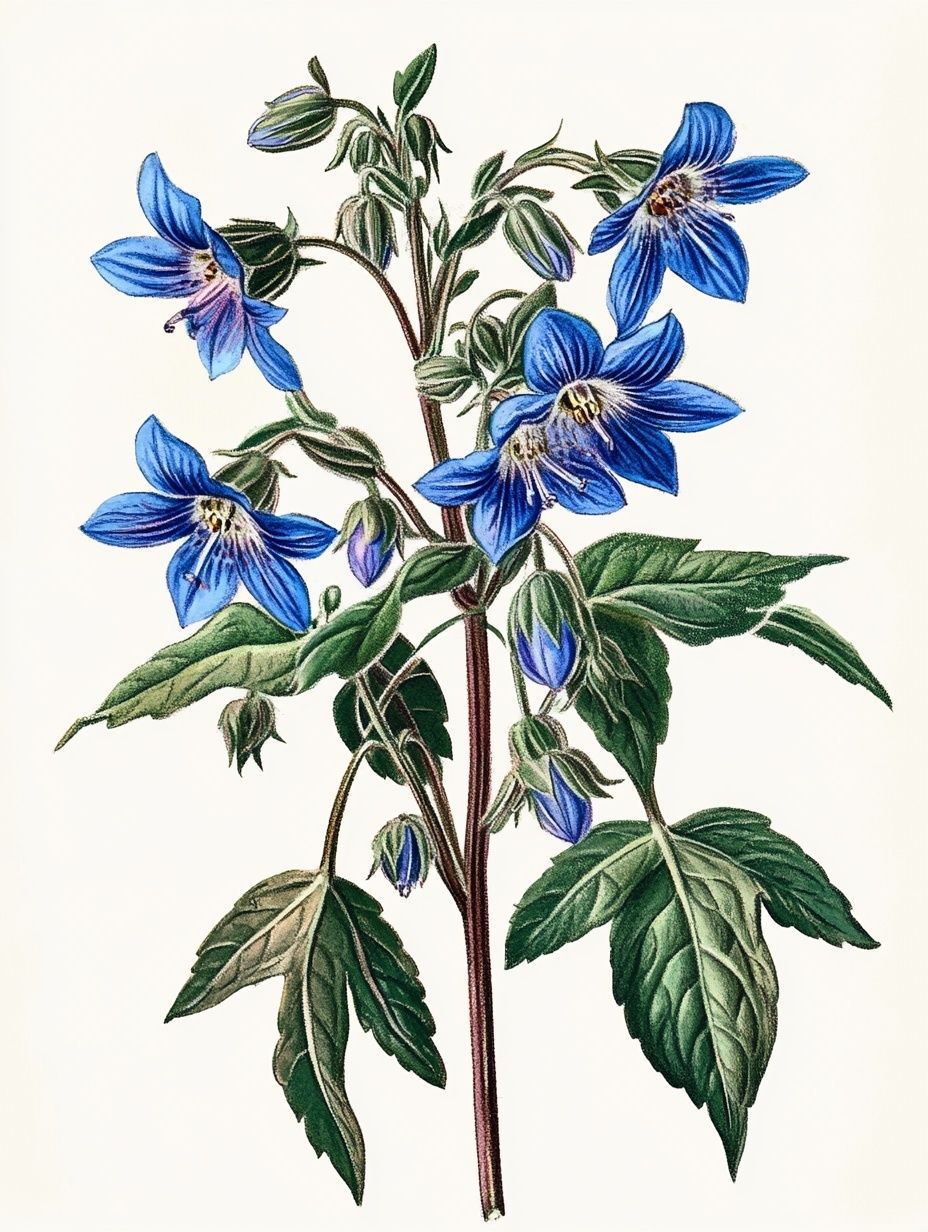
Borage
In classical times, the writer Pliny referred to borage as Euphrosynum (for the goddess of joy and mirth, Euphrosyne) because he believed it had the power of making men happy.
Historically, the name borage was thought to be a mispronunciation of the word courage. This link began because ancient people believed drinking the herb gave them "heart" or bravery, using the Latin phrase cor-ago, which literally means "I bring heart," to describe this effect.
Over many years, the word "courage" was said or spelled wrong so often that it eventually turned into the word "borage". To celebrate this history of making people feel happy and brave, the plant was associated with the old Latin rhyme, "Ego Borago gaudia semper ago," which translates to "I, borage, always bring joy”.
Other early herbalists and even the famed English philosopher and statesman, Francis Bacon, consistently praised the plant for this joyful effect and it was often used in a popular beverage known as a cool tankard, which was made using young borage shoots and blossoms mixed with wine, water, lemon and sugar.
Similar uses can be found in
flower folklore which naturally crosses over heavily with herbs.

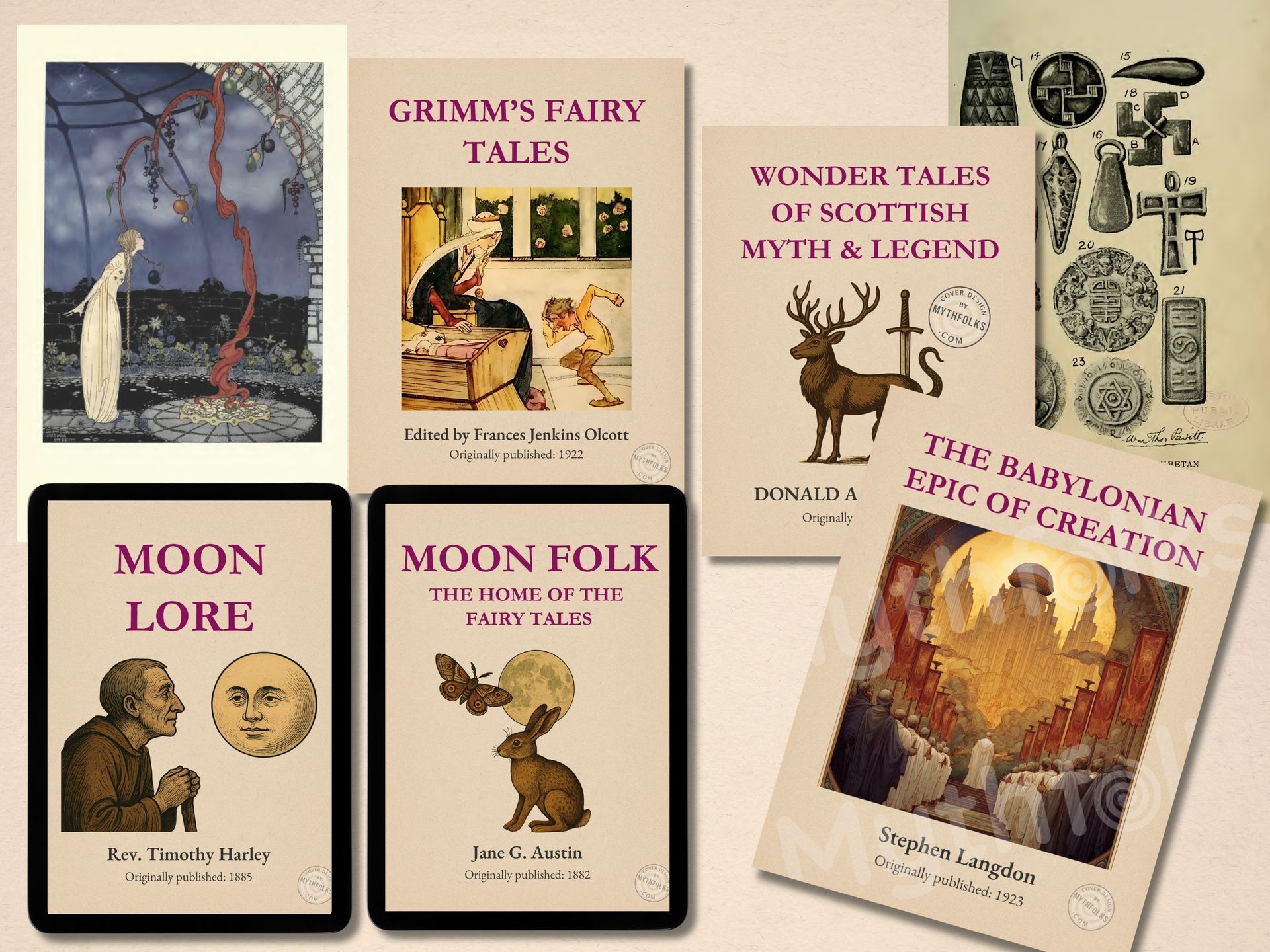
Shop Authentic Herb & Plant Folklore, 3 eBook Bundle
If authentic folklore and historical accuracy is critical to your research, magic practice or project, these comprehensive vintage texts have got you well covered.
From traditional herbal remedies through plant lore in folk magic, astrology, the occult plus myths, legends and fables from all over the world.
(Clicking the link will open the Mythfolks Etsy shop in a new tab.)
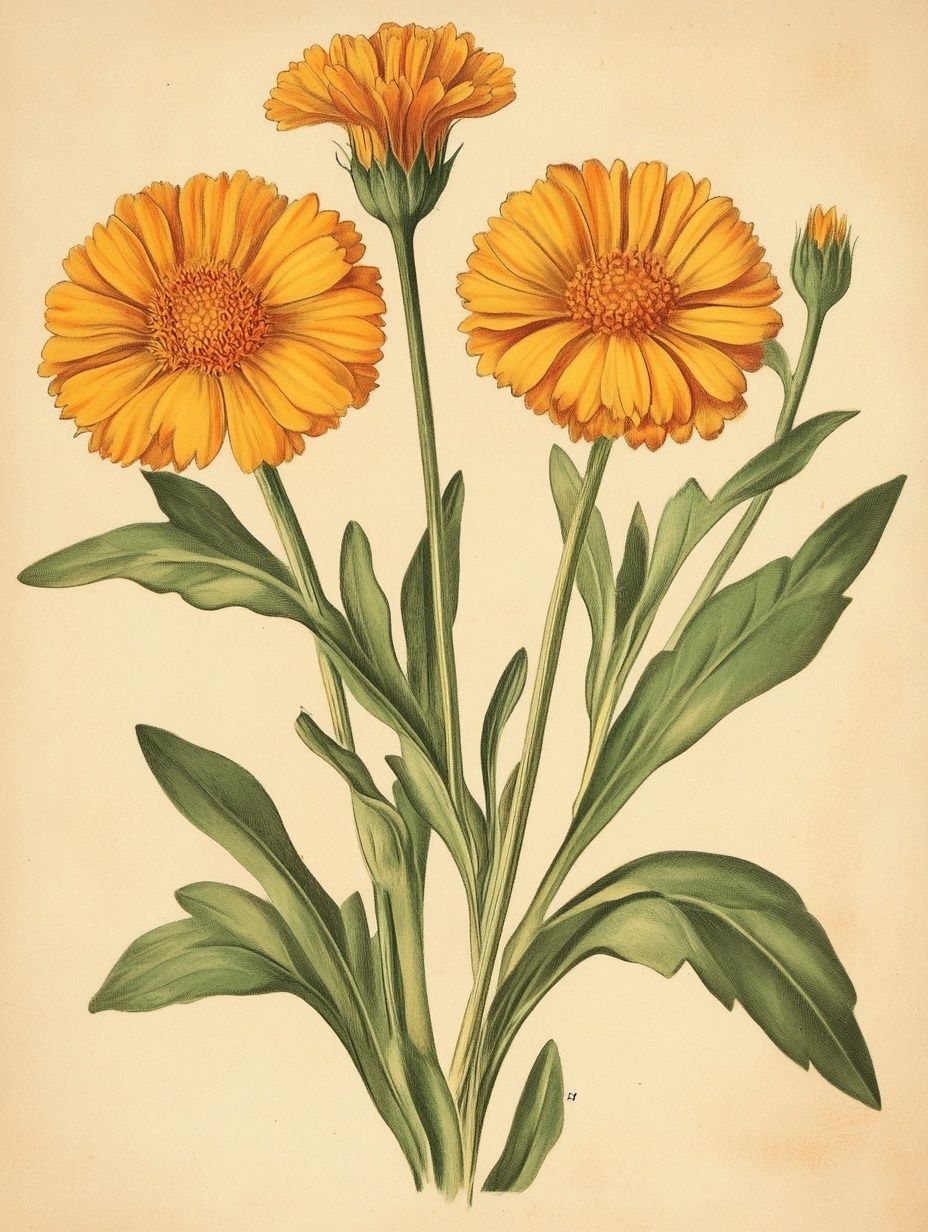
Calendula (Pot Marigold)
A note on this one: calendula is modernly referred to as pot marigold, or English marigold but although they share some similar characteristics, they are botanically a different plant from "true" marigold. However, distinguishing from these particulars in historical sources isn't always straightforward so the following, while thought to relate to Calendula, may contain a mix of both varieties.
The botanical name for calendula was supposedly derived from the Roman word for the calends, which reflected a belief that the flower blossomed in almost every month of the year.
In Christian tradition, it was called the Mary-gold in honour of the Virgin Mary, because legends said she frequently wore the plant on her breast. This association led the church to dedicate the flower to the Feast of the Annunciation on the twenty-fifth of March.
Shakespeare also referred to the blossoms as winking Mary-buds that opened their golden eyes in the morning.
A German legend explained the flower's creation through the story of a maiden named Caltha who was so devoted to the sun god that she stayed in the fields every night to wait for his first appearance at dawn.
Her intense love caused her to waste away until she became a spirit absorbed into the sun's rays and the first marigold appeared where she had once stood. The flower's form and golden colour were said to recall the sun, with a drop upon its petals that represented either dew or a tear of happiness from the maiden's transition.
This story bore some similarities to the Greek myth of Clytie. The Greek story described Clytie being transformed into a flower that turned to follow the sun because of her unrequited love for Apollo.
In folk practices, calendula was often used as a tool for divination and was a subject of dream lore. Lovers sometimes plucked its petals to test the sincerity of their partners' feelings and it was once believed that carrying the flower could prevent anyone from speaking an angry word to the holder.
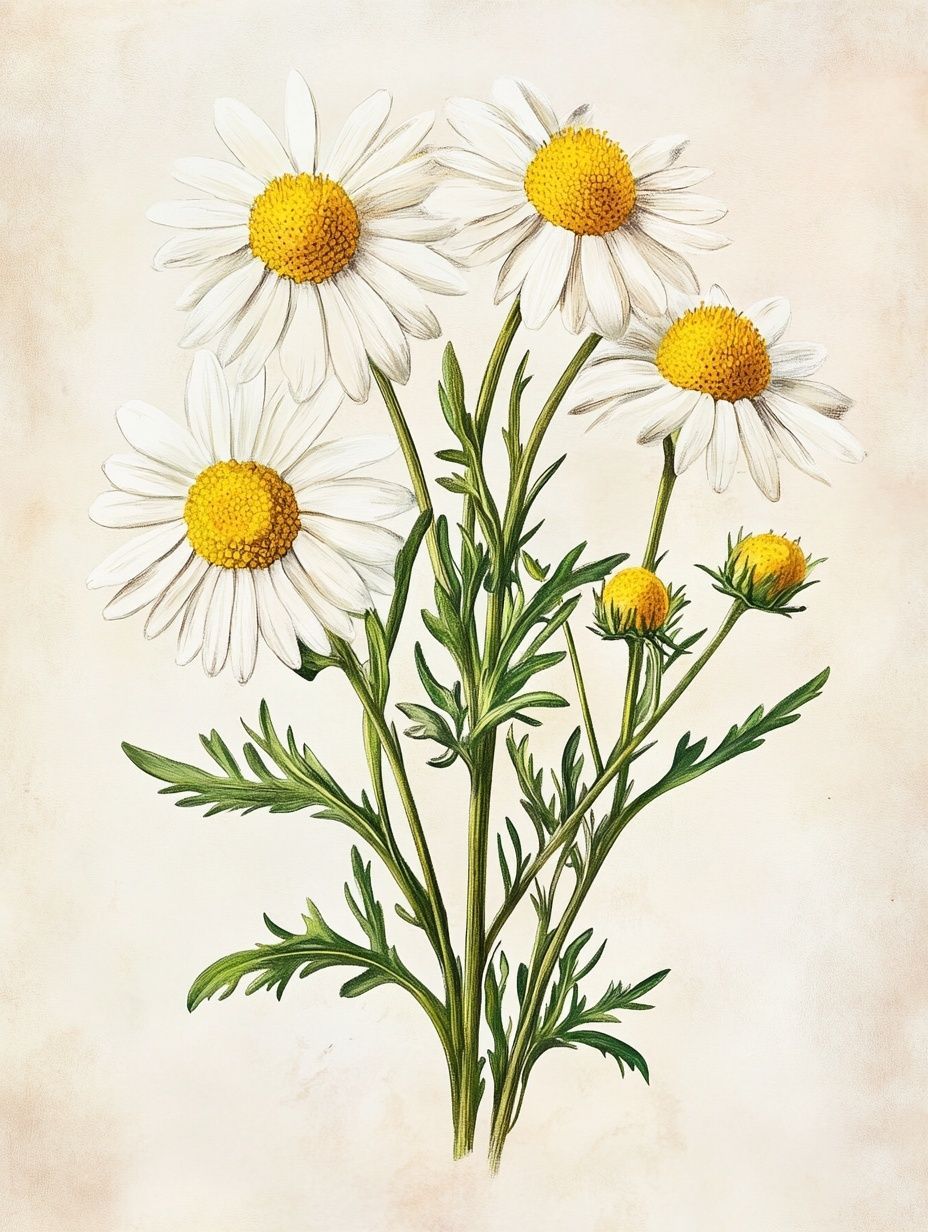
Chamomile
Chamomile was held in high esteem by ancient civilizations, particularly in Egypt, where it was worshipped and dedicated to the gods.
The Egyptians and other ancient "granny doctors" valued the herb primarily as a remedy for agues and colds.
It was also among the flowers especially loved by the Greeks, who provided the basis for its name; the title was derived from the Greek Chamaitnelon, or Earth-Apple, because the flowers were thought to possess the scent of that fruit.
The Romans used chamomile as one of their many treatments for snake bites.
In European folklore, the herb carried more somber associations. In Germany, the flowers were known as Heermännchen and were traditionally believed to be the spirits of soldiers who died accursed for their sins. Despite this, it was considered a sweet-scented and appropriate plant for decorating graves in places like South Wales (UK).
From a medicinal standpoint, the herbalist Gerarde noted that chamomile provided "special help against wearisomeness". Historically, it was also associated with the harvest; an old floral calendar noted that at the time of Lammas Day (August 1st), "the long Corn smells of Cammomile".
Lavender
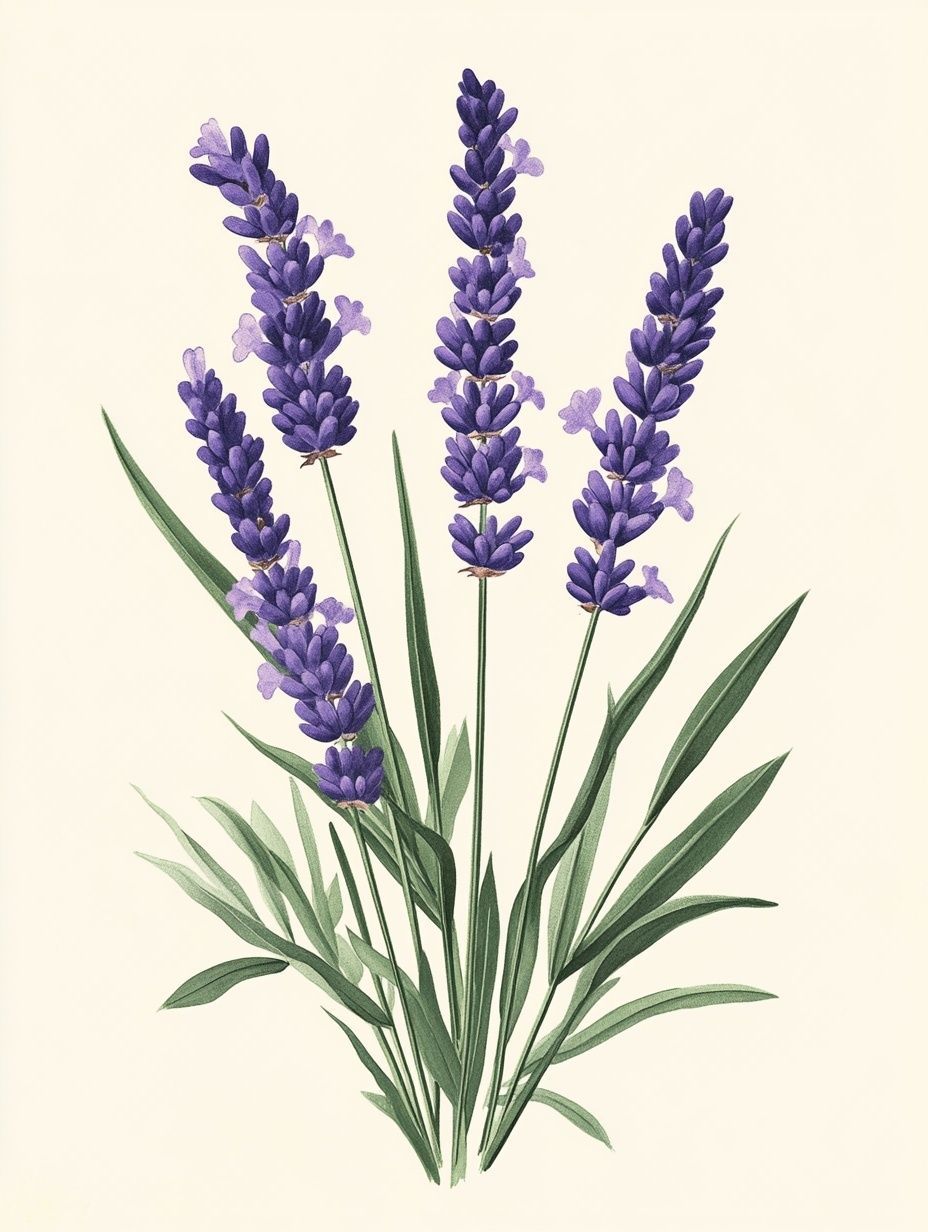
Lavender took its name from the Latin word lavare, meaning to wash, because of its extensive use by ancient civilizations in their baths.
Its association with washing continued in the phrase "laid up in lavender," which refers to the practice of placing its fragrant blossoms in bundles to scent newly-washed linen. While it’s now a beloved scent, the plant was historically considered a symbol of mistrust due to a belief that dangerous snakes often hid within its foliage.
In the folklore of witchcraft and magic, lavender was one of the herbs specially dedicated to the mythical Greek witches Hecate, Circe and Medea.
It was also a protective plant in some cultures; in Tuscany, Italy, it was used to guard infants from the Evil Eye and Kabyle women in North Africa (Algeria) were said to invoke the herb to protect themselves from the cruelty of their husbands.
This herb was also associated with various social and religious observances. In Spain and Portugal, lavender was thrown on the floors of buildings during festivities and was burned in bonfires on St. John's Day (São João in Portugal, San Juan in Spain). It was sometimes historically used alongside roses to decorate churches for the feast of St. Barnabas.
In the symbolic language of flowers, an ancient vocabulary identified the plant with silence, while more modern dictionaries associated it with mistrust. Shakespeare categorised the plant as a flower of middle age and suitable for being given to men of that time.
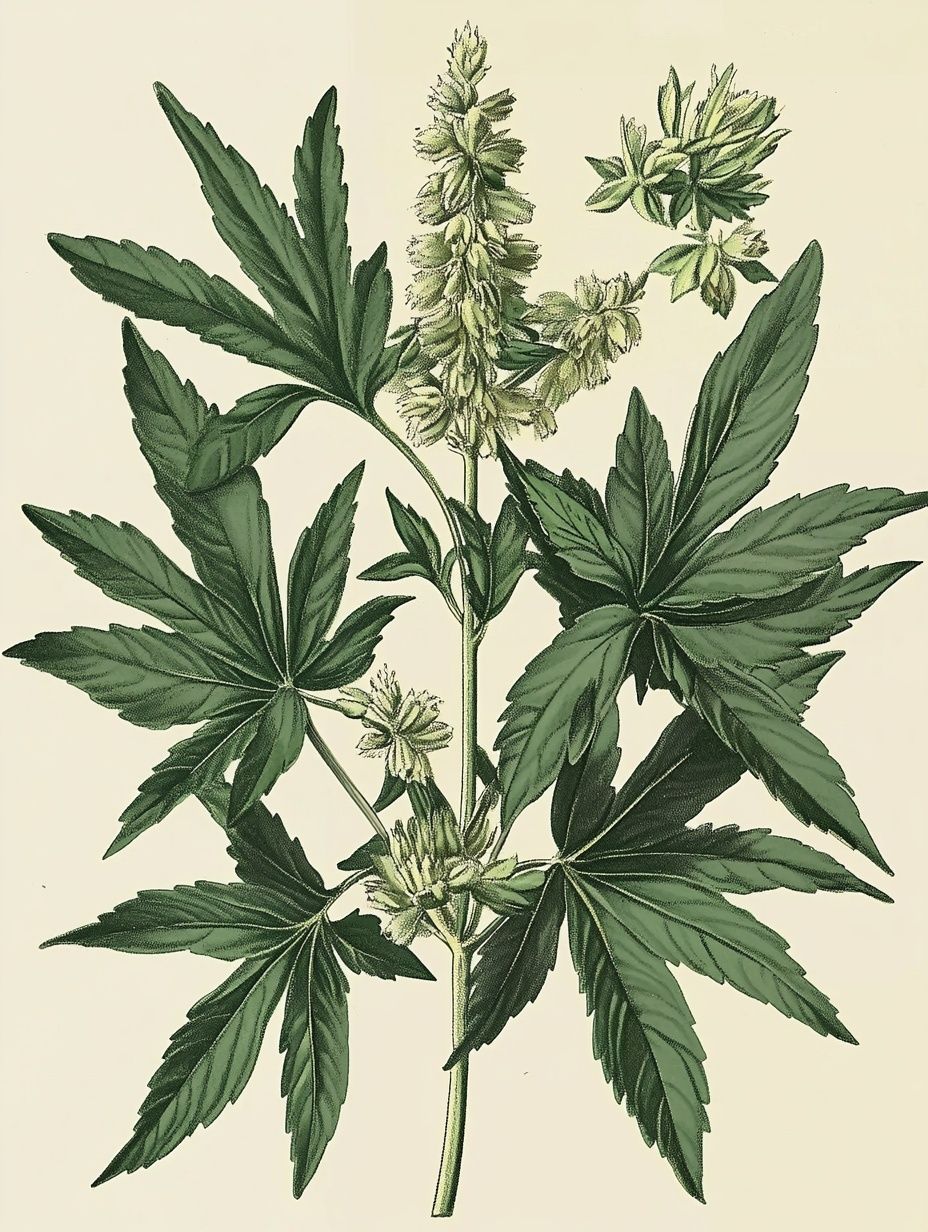
Mugwort
Made extra famous by the stories of a child wizard with glasses, mugwort was often traditionally referred to as the Mother of Herbs and took its botanical name, Artemisia, from either the goddess Artemis or Queen Artemisia, the wife (and sister) of King Mausolus (an ancient ruler of what is now Turkey).
Ancient traditions said that someone who carried the herb on them would never feel fatigue and would remain safe from poisonous medicines, wild beasts and even the heat of the sun.
In many European countries, the plant was another one closely associated with St. John the Baptist and was frequently called the Herb of St. John. On Midsummer Eve, or the Vigil of St. John, it was common practice to wear belts made of Mugwort, known as St. John's Belts, while dancing around bonfires. It was believed that looking through the Mugwort at the flames would protect the eyes and ensure good health for the coming year.
A prominent Russian legend described a young girl who fell into a pit of snakes and was kept alive by licking a luminous stone. Upon her release, the serpent queen granted her the ability to understand the language and medicinal uses of all plants, provided she never named the Mugwort.
When a stranger later asked her the name of a plant growing by the path, she accidentally replied "Tchorno-bil" (Mugwort), and her mystical knowledge immediately vanished. This led to the Russian name Zabytko, or the Herb of Forgetfulness.
In Scottish folklore, a legend from the Firth of Clyde told of a mermaid who, upon seeing the funeral of a young girl who had succumbed to consumption (tuberculosis), was said to have expressed her pity through a rhyme.
She lamented that so many beautiful maidens died because they did not know to drink nettles in March and eat muggins, the local name for mugwort, in May. This practice was believed to be a powerful preventative against various ailments, including poison, fire and general exhaustion.
Nettle
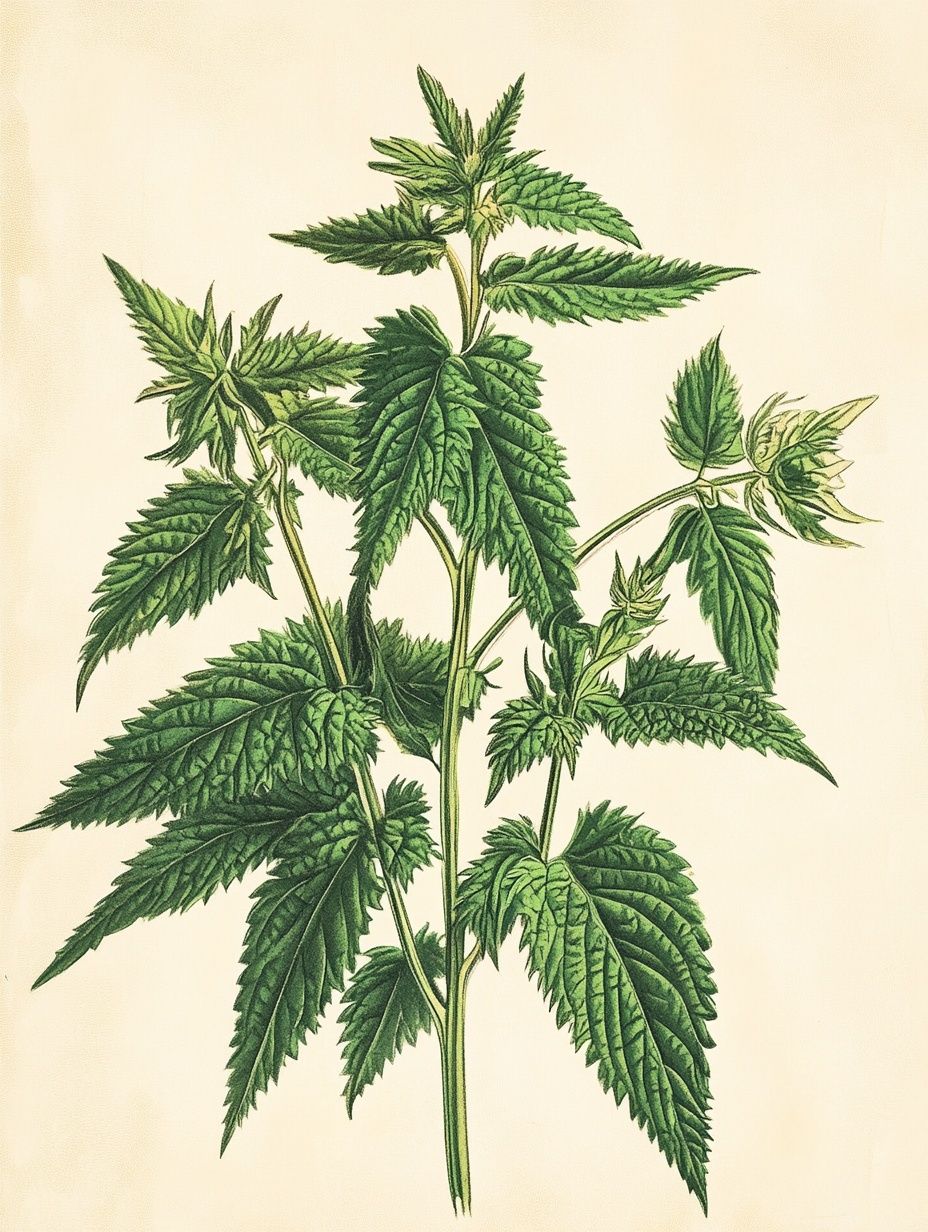
Nettle was frequently associated with protection from the elements and evil spirits. In German mythology, the plant was consecrated to Thor, the god of thunder. This association led to a practice in the Tyrol where people threw nettles onto a fire during thunderstorms to avert danger and protect their homes from lightning. In Germany, it was also believed that gathering nettles before sunrise would drive away evil spirits from cattle.
A famous historical legend claimed that the Roman Nettle was introduced to England by Caesar's soldiers. Suffering from the cold, raw fogs and having inadequate clothing, the soldiers would pluck nettles and scour their numb limbs to make them burn for warmth.
In the realm of charms, carrying a combination of nettle and milfoil was sometimes used as a talisman to ward off dark forces. For those accidentally stung, a widespread English folk remedy involved rubbing the area with a dock leaf while repeating this rhyme 3 times to drive the nettle’s sting out: “Out nettle, in dock: dock shall have new smock”. (We didn’t use a rhyme but I certainly remember using dock leaves when I got stung as a child!).
Literature and social customs also referenced this plant. In Shakespeare's works, the nettles in Ophelia's garland are said to represent being stung to the quick. In Wales, nettles were sometimes used as a form of satire, planted on the graves of old bachelors and old maids.
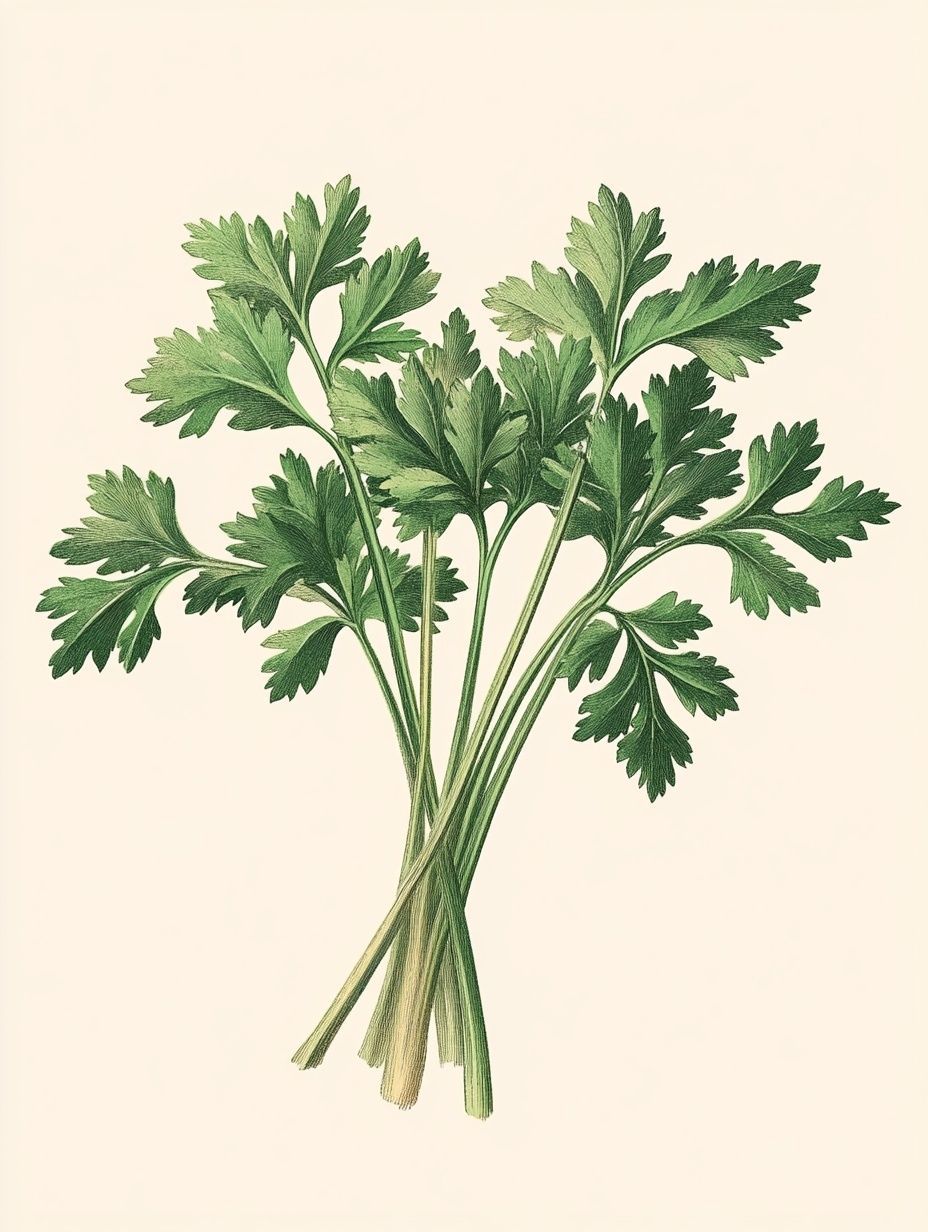
Parsley
The lore of parsley is heavily marked by its associations with death and ancient Greek tradition. It was recorded that Hercules chose parsley to make his very first garlands and it was used to wreathe the conquerors at the Nemean and Isthmian games in memory of Archemorus. Archemorus, the infant son of King Lycurgus, was famously killed by a serpent after being laid down upon a sprig of this herb.
Because the Greeks used parsley to decorate graves and throw upon the dead, the plant became an omen of bad luck. A common proverb described those near death as being in need of parsley and a Greek military force was reportedly thrown into a panic simply by encountering mules who were carrying the herb.
The plant's distinctive fringed and ragged appearance was explained by a Devonshire (England) folktale. A man once destroyed a garden of tulips that pixies used as cradles for their children, planting parsley in their place. In revenge, the tiny creatures hacked at the roots of the crop every night, causing the leaves to grow ragged as we see them today.
Also in Devonshire and South Hampshire, it was considered a grave offense against the parsley bed's guardian spirit to transplant the herb which was said to result in the certain death or misfortune of the offender or a family member within a year. To ensure that the herb grew in abundance, it was traditionally sown in Suffolk on Good Friday.
Bruising parsley in the hands was thought to cause glass vessels to snap and break when handled, while dreaming of cutting the herb signaled a love going wrong but eating it apparently meant good news was coming.
Rosemary
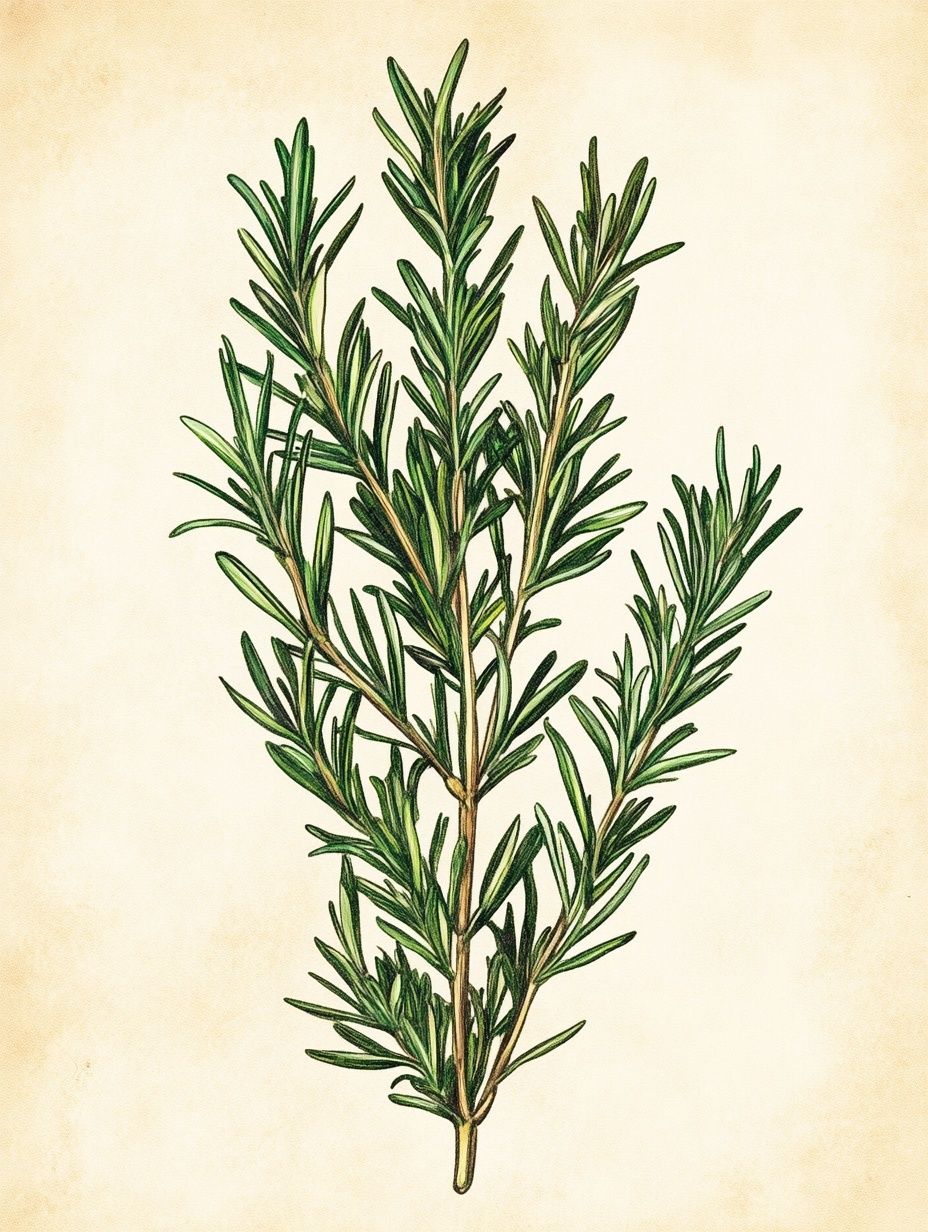
The name Rosemary was derived from the Latin ros marinum, which signifies sea dew, reflecting the plant's affinity for the water. Historically, the plant was regarded as a stimulant for the brain and memory.
In ancient Rome, it was used for a variety of ceremonial purposes, including crowning guests at banquets, purifying flocks with its smoke and decorating household gods.
In northern England, rosemary was associated with funerals, where sprigs were distributed and eventually cast onto the coffin in the grave. Beyond its use in mourning, the plant was also highly valued for weddings, where it served as a symbol of the fidelity of lovers.
It was used in bridal wreaths, such as the one worn by Anne of Cleves for her marriage to Henry VIII. A common rustic superstition suggested that rosemary only grows well in a garden where the “mistress is the master”.
In a bizarre legend from Italy, a childless queen who, after envying the many offshoots of a vigorous rosemary bush, gave birth to a bush of her own which she kept in a pot and fed with milk.
Her nephew, the King of Spain, eventually stole the plant and discovered that whenever he played his flute, a beautiful princess, Rosa Marina, would emerge from within the foliage.
He fell deeply in love with this mysterious visitor, but was forced to leave her in the care of a gardener while he went to war. During his absence, the king's jealous sisters played the flute to summon the princess and then struck her, causing her to vanish and the rosemary plant to begin drooping toward death.
The gardener was able to save the plant and the princess after overhearing two dragons reveal that only their blood could restore the bush. He slew the dragons, applied their blood to the roots to break the spell and the king subsequently returned to marry the restored Princess Rosa Marina.
Rosemary was also used in recipes to preserve youth, often mixed with rue, sage, marjoram, fennel and quince.
St John’s Wort
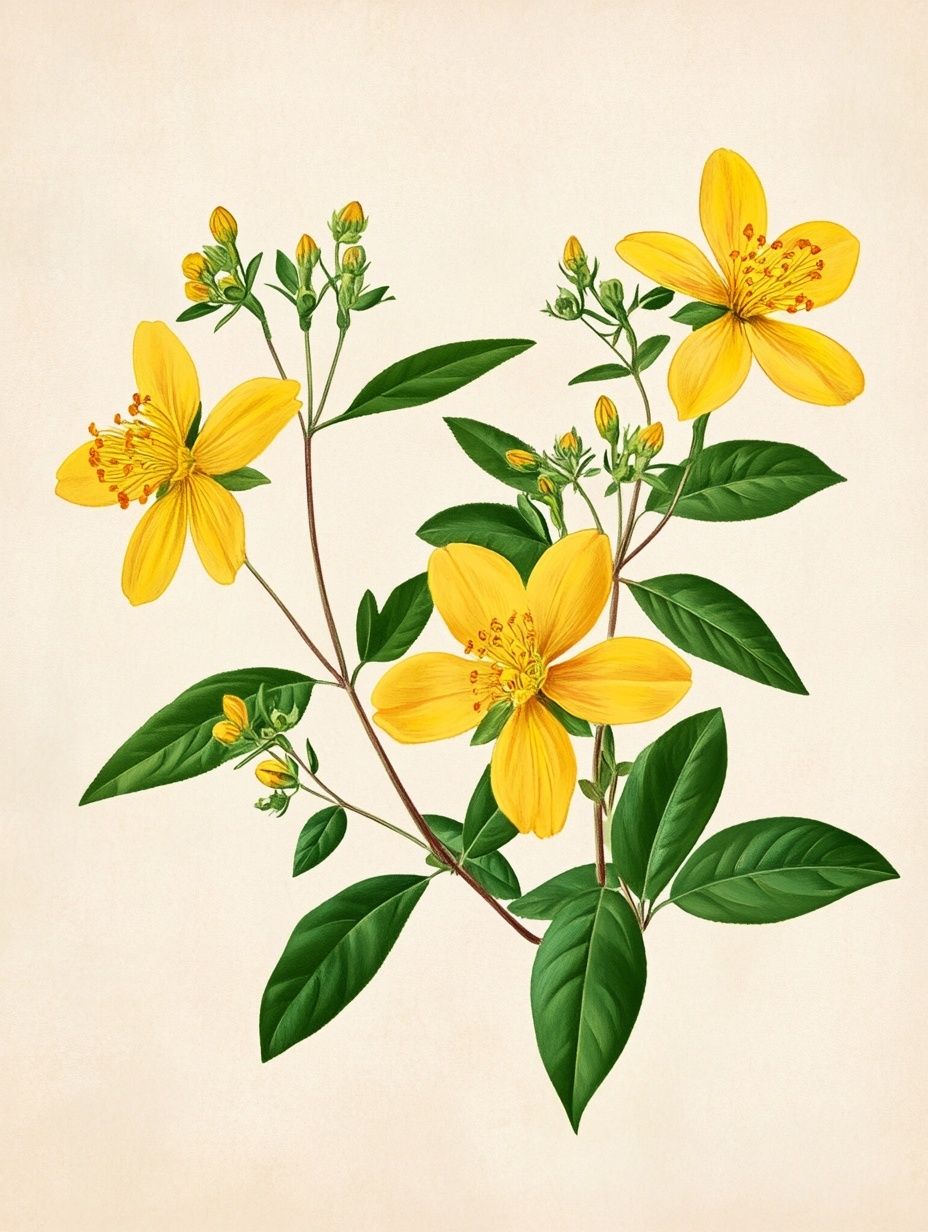
Although many herbs are associated with St John the Baptist, this one was explicitly named for him because its distinctive red spots were said to appear on the anniversary of his beheading, August 29th and its ruddy sap was traditionally interpreted as a sign of the martyred saint's blood.
Because it blooms most vibrantly during the summer solstice and St. John was described in scripture as a light to those in darkness, it also earned the title Sol Terrestris, or the terrestrial sun.
It was highly valued as a powerful preservative against supernatural threats and known as Fuga Daemonum, or Devil's Flight, for its reputed ability to frighten away ghosts and devils. On the anniversary of the saint's birth, June 24th, boughs were hung in windows and over doors to protect households from ghosts, demons, and thunderbolts.
St. John's Wort was also prominent in fairy lore and Gaelic traditions in the Isle of Man, where tradition warned that accidentally treading upon the herb after sunset would cause a fairy horse to rise from its root. This horse was said to carry the rider on a wild journey all through the night before sinking back into the earth at dawn, often leaving the person far from home.
Tyrolese mountaineers were known to place the herb in their shoes, believing that so long as it remained there, they could walk or climb without fatigue.
In Sweden, maidens gathered a bouquet of nine different flowers, including St. John's Wort, from nine different places on Midsummer Eve and placed it under their pillows to see their future spouses in their sleep. In Lower Saxony, girls hung sprigs of the plant on their walls; if the sprig remained fresh the next morning, it was taken as a certain sign that they would be married within the year.
Medicinally, the plant was called Tutsan, a name derived from the French Toute-saine, meaning all-heal, due to its supposed power to cure all manner of wounds. In Sicily, the flowers were gathered and steeped in olive oil to create an infallible balm for injuries.
Thyme
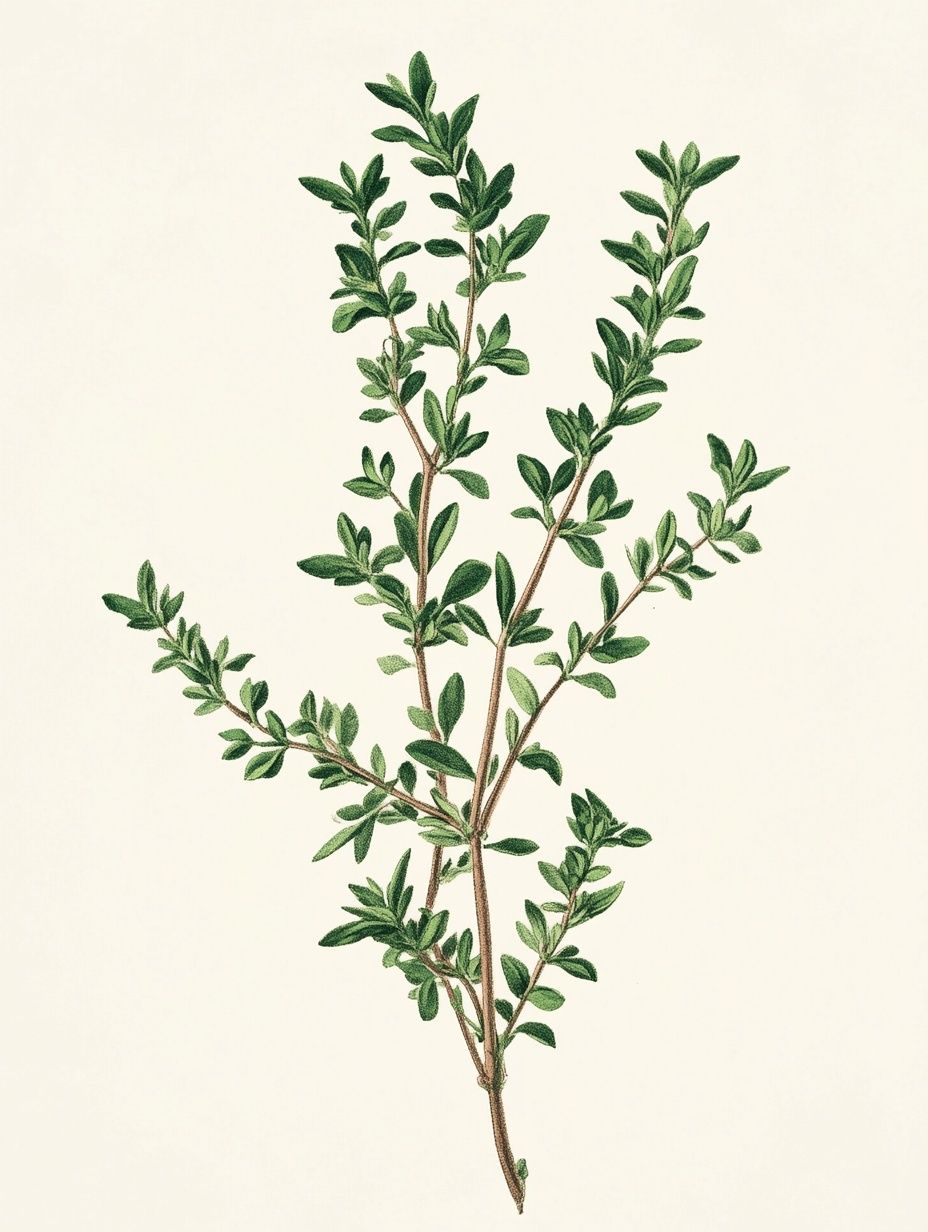
Among the ancient Greeks and Romans, thyme was considered a sacred plant and often grown in gardens. It covered Mount Hymettus and gave a famous aromatic flavour to the honey produced there.
Because of this association, the Greeks used the herb to denote the graceful elegance of the Attic style (a refined way of writing or speaking associated with ancient Athens, which was located in the region of Attica), and it was considered a high compliment to say that a writer smelled of thyme.
In the age of chivalry (the medieval period in Europe when knights followed a specific code of honour, bravery and courtly manner), ladies embroidered a bee hovering over a spray of thyme on the scarfs they presented to knights. This specific design was meant to symbolise the union of a gentle, friendly nature (the bee) with a brave and industrious spirit (the thyme). In the traditional language of flowers, thyme was identified as a symbol of spontaneous emotion.
Thyme also held a significant place in the historical folklore of supernatural beings, a connection frequently highlighted in English literary tradition.
William Shakespeare identified the plant as a particular favourite of the fairy king, Oberon. It was believed that Oberon's musical hounds would forsake even the richest blossoms of a garden in order to hunt for golden dew within flowery tufts of wild thyme.
In a different spiritual context, the plant was valued for its perceived purifying properties as documented by the sixteenth-century poet Edmund Spenser. He recorded folklore which claimed that witches were required to perform a yearly penance to atone for their crimes, during which they were said to bathe in water purified with thyme and oregano.
The plant was also a common ingredient in early medicine and herbalists frequently recommended it for treating diseases related to the spleen or for countering low moods.
Article sources
- Brown, O. Phelps. The Complete Herbalist. London: Published by the Author, 1871.
- Budge, E. A. Wallis. The Divine Origin of the Craft of the Herbalist. London: Society of Herbalists, 1928.
- Culpeper, Nicholas. Culpeper's Complete Herbal. London: Richard Evans, 1814.
- Fernie, W. T. Herbal Simples Approved for Modern Uses of Cure. Bristol: John Wright & Co., 1895.
- Hohman, John George. The Long Lost Friend. Harrisburg, PA: 1850.
- Skinner, Charles M. Myths and Legends of Flowers, Trees, Fruits, and Plants. Philadelphia: J. B. Lippincott Co., 1911.
Shop Authentic Herb & Plant Folklore, 3 eBook Bundle
If authentic folklore and historical accuracy is critical to your research, magic practice or project, these comprehensive vintage texts have got you well covered.
From traditional herbal remedies through plant lore in folk magic, astrology, the occult plus myths, legends and fables from all over the world.
(Clicking the link will open the Mythfolks Etsy shop in a new tab.)
You might also like


Old legends of heroic dogs from around the world
These cuddly canines really came through in a jam. Get stuck into short stories that have been buried in history.