
Thanksgiving folklore and a short history of the forgotten rituals of autumn harvests
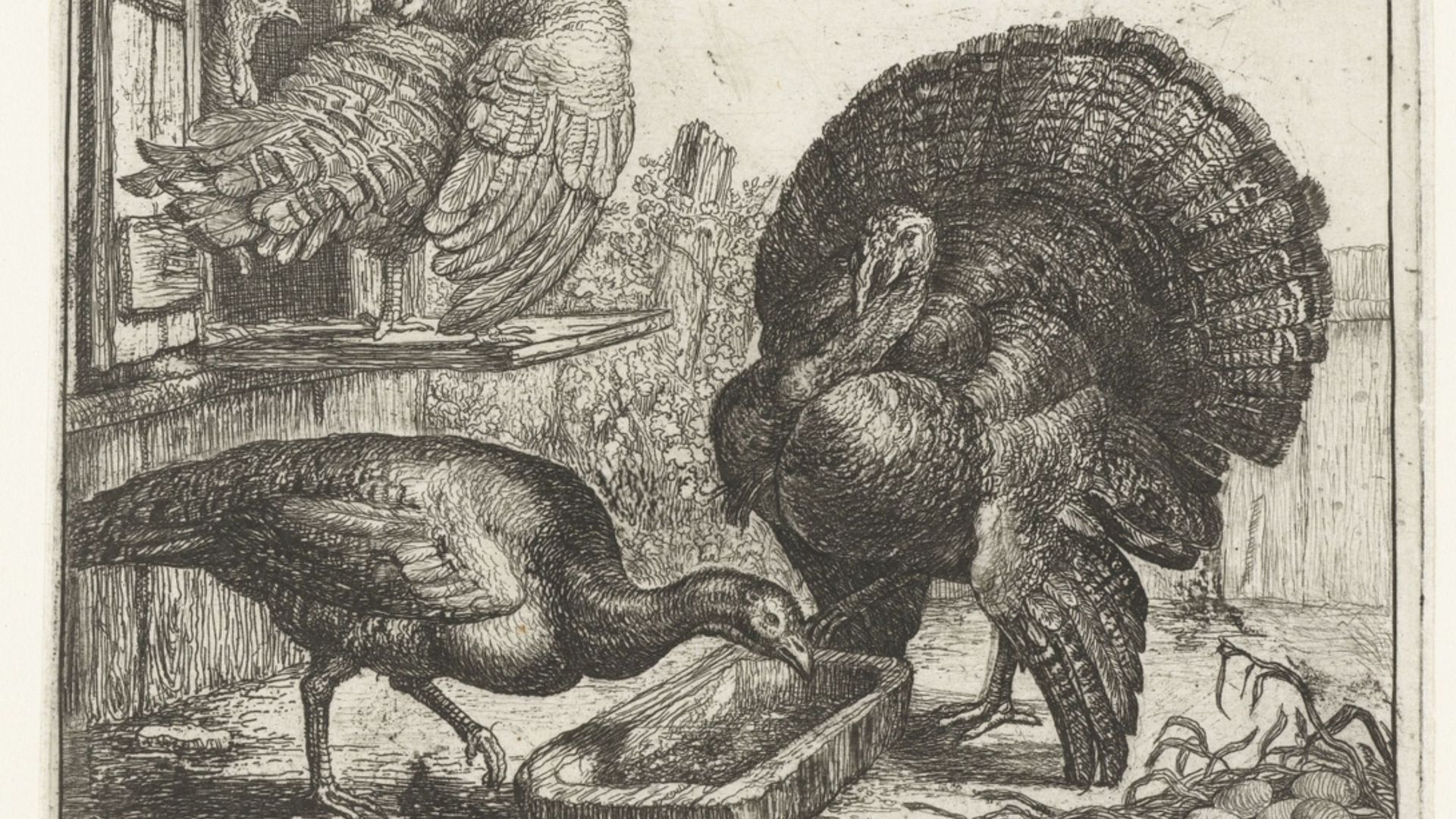
The modern Thanksgiving dinner is familiar to millions of Americans. The turkey, the stuffing, the cranberry sauce and is that pumpkin pie over there?
But the tradition of setting aside a day in late autumn to celebrate the gathering of crops long predates the arrival of the "Mayflower" in New England.
Across centuries and continents, harvest celebrations were marked by regional folk magic, harvest-field games, seasonal superstitions and of course, big community feasts.
Here's a quick tour of stories and rituals from old to new and how we arrived at the modern version of the North American Thanksgiving holiday.
Published: 8th Nov 2026
Author: Sian H.
The ancient roots of harvest celebrations
Long before Thanksgiving became an official holiday in North America, autumn was understood across Europe and the Ancient Near East as a seasonal transition (and one that was also prominent in Halloween lore). Harvest customs typically combined religious offerings with countryside traditions.
In ancient Israel, the conclusion of the autumn fruit, grape and olive harvest was marked by the Feast of Tabernacles, or "Sukkot".
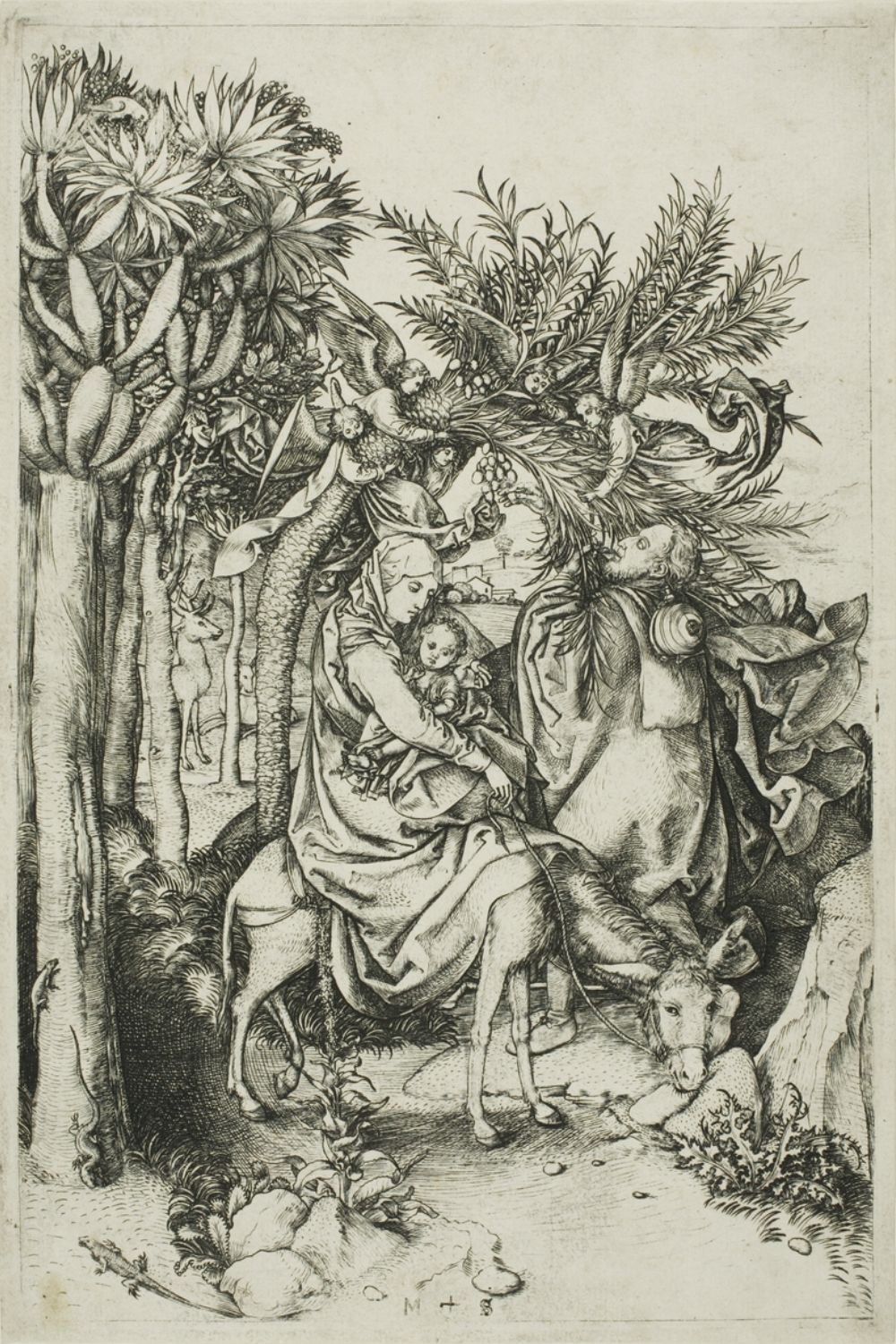
As described in biblical records, families constructed temporary shelters or booths made from palm, myrtle and olive branches on their roofs or in public squares.
For seven days, communities lived in these leafy shelters to recall their wandering years in the wilderness while giving thanks for the fruits of the land.
Ancient Greek & Roman tradition
In ancient Greece, married women celebrated the "Thesmophoria" each autumn in honor of Demeter, the goddess of agriculture.
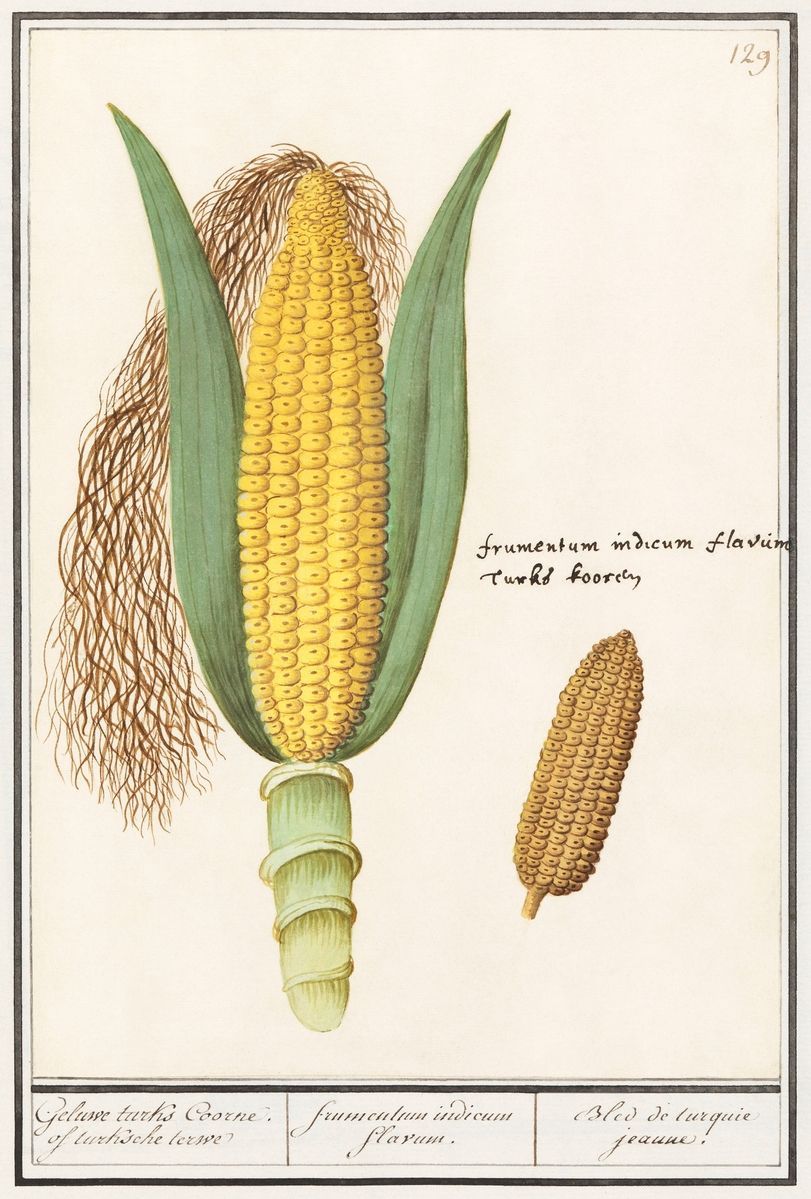
The three-day festival featured sacred meals prepared by designated hostesses, offerings of fruit, honeycombs and symbolic decorations of corn ears and poppies.
In ancient Rome, an autumn rite dedicated to Ceres (Jejunium Cereris) took place on October 4. It began with a public fast before concluding with music, games and a celebratory feast
Old British & European harvest customs
I can recall quite vividly the Harvest festivals we used to partake in when i was a child (in England). In primary school, every October we would gather tinned food and other non-perishable goods that could be spared and they would then be passed on to food banks and so on. We’d usually have a special assembly, sing hymns and perform some kind of show.
Anyway, in much older times in English & Scottish folklore, the end of the harvest season was sometimes known as "Harvest Home" or the "Kern". Some historical folk accounts described elaborate ceremonies created by farm laborers when the final cut of wheat was brought in from the fields:
- The Kern-Baby: In northern England and Scotland, reapers (the farmhands who harvested grain by hand using a sickle) took the final sheaf of wheat, dressed it in a white dress covered with colorful ribbons and crowned it with ears of corn. Known as the "Kern-baby" or "Harvest Queen," this sheaf was raised up on a pole or wagon and escorted to the main barn to oversee the harvest supper.
- The Hock-Cart: A decorated wagon carrying the final load of grain was called the "hock-cart". Horses were draped in white sheets and reapers marched alongside singing traditional songs. A widespread practical joke associated with the hock-cart involved bystanders hiding along hillsides to drench the passing reapers with buckets of water. I'm not really sure how funny they would have found that...
-
The Cambridge Hawkie: In Cambridgeshire, a costumed performer with a painted face and corn-ear headdress was carried through the streets in a wagon to represent the Harvest Queen.
Crying the mare
One of the most distinctive English harvest customs took place in Herefordshire under the name of "Crying the Mare."
When a farm completed its harvest, laborers left a final clump of grain standing in the field, tied together at the top. The reapers stood back and took turns throwing their sickles at the sheaf until someone successfully cut it down.
Upon striking the grain, the reaper would yell, "I have her!"
When the rest of the crew shouted back, *"What have you?"* the reaper replied, "A mare, a mare!"
The crew then named a neighboring farmer whose harvest was running behind, ceremonially "sending the mare" to his fields as a good-natured taunt. This game originated when open fields were vulnerable to stray livestock, turning the completion of harvest into an occasion for lighthearted rivalry among neighbors.
Dutch Hutch-Putch and New Netherland "Thank-Days"
Before sailing for North America, the English Separatists (later known as the Pilgrims) spent over a decade living in the Dutch city of Leyden. There they observed the city’s annual autumn festival on October 3, which commemorated the relief of Leyden from a Spanish siege in 1574.
The centerpiece of the Dutch festival was a meat-and-vegetable stew called "hutch-putch" (or Spanish hodge-podge), discovered in cooking pots left behind in the encampment by fleeing Spanish troops.
Experiencing Leyden's civic day of Thanksgiving provided the Separatists with a direct model for a community autumn holiday.
Dutch influence on American harvest customs continued in New Netherland (later New York). Between 1644 and 1654, Dutch colonial governors regularly proclaimed official "Thank-Days" (Dankdagen) to celebrate harvests and mark peace treaties with local Native tribes - long before New York officially adopted the New England Thanksgiving holiday in 1830.


Early American feasts
While popular history focuses almost exclusively on Plymouth in 1621, there were some accounts that English settlers in North America held several earlier Thanksgiving observances, while facing severe survival challenges that generated their own folklore.
Arctic services and Maine settlements (1578–1608)
- The 1578 Arctic Thanksgiving: In May 1578, English explorer Martin Frobisher led an expedition aboard the Ayde to the icy waters off the northern coast of North America. After surviving tempestuous storms and dangerous ice floes, the fleet held a formal communion service of thanksgiving on land to celebrate their safe arrival.
- The 1607 Popham Colony: At the mouth of the Kennebec River in Maine, the short-lived Popham Colony endured a bitter winter in 1607. When a relief ship anchored in the spring of 1608, the colonists held a formal day of Thanksgiving before eventually abandoning the settlement and returning to England.
Made up legends about the 1621 Plymouth gathering - and one real one
It's common in folklore for facts to become blurry due to the nature of what it is - stories passed along (originally, by mouth). Amost anything can become "true" in folklore if someone once said it or wrote it.
In fact, the idea of "fakelore" became a thing with the advent of Pecos Bill in the early 20th century. This is a character that was invented by a journalist but who later became a real part of American folklore in a similar way to the stories of Paul Bunyan.
Even though those tall tales were genuinely told around campfires in logging camps and Pecos Bill was a fully manufactured story originally.
So it's not surprising that historical events, like the famous 1621 Plymouth gathering, often come with some enduring stories that are later "debunked". But these tales themeselves can be equally still considered folklore once they exist in the popular consciousness, even if they never actually happened:
- The popped corn myth: some popular folklore claimed that Massasoit’s brother, Quadequina, presented colonists with bushels of popped corn. But the Wampanoag and English grew Northern Flint corn, a hard-kernel variety whose moisture and kernel structure make it physically impossible to pop -heating it just cracks or burns the grain. Plus, no 17th-century record mentions popcorn. The myth appears to have come about from Jane G. Austin's 1889 fiction novel Standish of Standish.
- Beechnut stuffing & scallop shell oysters: other literary inventions described turkeys stuffed with woodland beechnuts and oysters roasted in scallop shells over hearth coals. While oysters and game were eaten, these particular recipes seem to have originated as 19th-century romantic embellishments.
- Sassafras root tea: this one is an authentic 17th-century detail: settlers boiled wild sassafras roots into an aromatic beverage -an early precursor to root beer. Sassafras was so highly valued in Europe for supposed medicinal properties that it became one of Plymouth's first commercial exports back to England.

Five kernels and acorn flour
Another widespread New England tradition centered on the winter of 1630 - 1631 in Boston. Facing crop failure and delayed supply ships, food stores dwindled to near extinction.
According to colonial lore, daily food rations were reduced to just five kernels of corn per person to preserve the remaining store.
During this severe crisis, local Native Americans showed settlers how to leach, grind and bake acorn flour into emergency bread.
When a relief ship finally arrived in February 1631, an appointed fast was transformed into a day of thanksgiving.
Placing five raw corn kernels beside each dinner plate later became a symbolic New England custom.
Connecticut's Missing Year 1675
Connecticut established a nearly unbroken annual Thanksgiving from 1647 onward.
However, colonial records show a single missing year: 1675.
That autumn, the official proclamation was canceled due to the ongoing violence and disruption of King Philip's War.
Wartime thanksgiving celebrations & stories
As the American colonies grew and fought for independence, Thanksgiving adapted to wartime conditions and evolving kitchen traditions.
The Valley Forge "King of France" Thanksgiving (1778)
One of the most notable military Thanksgivings took place in May 1778 at Valley Forge. After suffering a winter of extreme hardship, General George Washington proclaimed a day of Thanksgiving to celebrate the formal alliance between the United States and France.
The celebration featured a 13-cannon salute, synchronized musket firing (feu de joie) and thousands of Continental soldiers shouting "Long live the King of France!" Officers marched arm-in-arm thirteen abreast to an outdoor banquet, turning military discipline into a spirited community feast.
Garret shelves and revolutionary adaptations
By the late 18th century, preparing a Thanksgiving dinner involved days of household preparation:
- Attic Pie Shelves: Farmhouses were built with hanging shelves in unheated garrets or attics, keeping dozens of baked pies cold and safe from pests through the winter.
- Wartime Adaptations: Another probably-didn't-really-happen myth describes how Revolutionary War households adapted during shortages. With imported raisins unavailable, cooks were said to have used dried red cherries in mince pies, substituted venison shoulder for beef and flavored puddings with preserved ginger, alongside stored cellar celery. Again this is typically believed to be a late-19th-century romanticized family reconstruction rather than a legitimate 18th-century diary.

Evolution of Thanksgiving into a national holiday
Although Thanksgiving was deeply rooted in New England, other regions of the United States adopted it slowly. In the early 19th century, many Southern leaders viewed the holiday as a New England Puritan custom.
In 1855, Virginia Governor Henry A. Wise faced political opposition when considering a state proclamation, with critics labeling the holiday a "relic of Puritanic bigotry." Governor Wise issued the proclamation in 1857, and several Southern states observed the holiday over the next two years.
In 1863, during the Civil War, President Abraham Lincoln issued a national proclamation setting the last Thursday of November as a unified national holiday and so began the start of the famous American Thanksgiving holiday.
Popular Thanksgiving tales and family traditions
As Thanksgiving became a national institution in the 19th century, popular storytelling produced a variety of fun and lighthearted holiday folklore.
The hidden turkey under the sofa
One popular 19th-century tale described an absent-minded grandmother who confused the date of Thanksgiving. She prepared her entire holiday feast a week early, roasting a turkey and baking plum pudding. To protect the meal from hypothetical thieves before dinner, she hid the turkey and pudding under the parlor sofa - and promptly forgot about them until the official holiday arrived a week later. Not sure they actually ate that one…
The letter to the Governor
Another popular story told of a young girl who came down with the measles on Thanksgiving Day and was restricted to a diet of oatmeal gruel.
Disappointed at missing the feast, she wrote a letter addressed to "Mister Guvner at the Capitle" asking for a second holiday.
According to the story, the governor received the letter and officially proclaimed a special, personal Thanksgiving Day for her family on December 9th.
So there you have it. While Some of the history and stories of Thanksgiving are well-known, much of the early origins and customs are more obscure.
Interested in the origins of other
celebrations/holidays like Halloween & Christmas? Discover more holiday folklore below.
Article sources
- Love, William DeLoss. The Fast and Thanksgiving Days of New England. Boston and New York: Houghton, Mifflin and Company, 1895.
- Johnson, Clifton. What They Say in New England: A Book of Signs, Sayings, and Superstitions. Boston: Lee and Shepard, 1896.
- Schauffler, Robert Haven, ed. Thanksgiving: Its Origin, Celebration, and Significance as Related in Prose and Verse. New York: Dodd, Mead and Company, 1907.
Explore more holiday folklore
Is Santa myth, a legend or a monster?
Technically he could be classified as all those things - find out more about all the mythology of jolly old St. Nick.
Forgotten folklore of Halloween
Today's Halloween is a commercial spectacle - but that's not how it started. Learn all about the original roots of All Hallow's Eve here.