
52 ultra-obscure folklore creatures for original fantasy character name ideas
Coming up with original names for your fantasy stories can be seriously tricky.
Not only is it basically impossible to actually be original - it's what you do with it that counts - but in an age of access to so much information, the really good bits can still remain surprisingly buried.
Sure, you can throw a few prompts into an AI and they'll come up with stuff. But you never quite know when they're just making things up. So if you’re like me and that’s important, then this list is for you!
I can’t claim none of these names exist online already - but I did dig them out of some obscure 18th and 19th century texts and as i write a lot about folklore, i've tried to only include the ones that i think are really less promoted or where they just have too good a ring to them not to include.
Many are regional or dialectal versions of better known creature names while others come with very little information as to what they actually were other than they were recorded at one time or other.
Either way, have fun exploring the list and happy writing!
*The list contains a few examples that aren’t technically a creature but I’ve left them in as they serve the same purpose for coming up with obscure character or place names. The references and descriptions aren't intended to signify currently held beliefs and have been adapted as referenced from the original texts.
Published: 12th Oct 2026
Author: Sian H.
Obscure Celtic folklore creature names
The Welsh language was a well-known source of inspiration for Tolkien (my name, Sian, is also Welsh!) and these and other Celtic creature names can be especially useful for fantasy fiction as the various languages are so unique vs. modern English:
Biasd na Srogaig: a mythical animal local to Scottish folklore and specifically, the Isle of Skye. It had one horn on its forehead and lived in the lochs. It is apparently a Celtic equivalent of the Unicorn.
Bwgan: a generic Welsh name for ghosts.
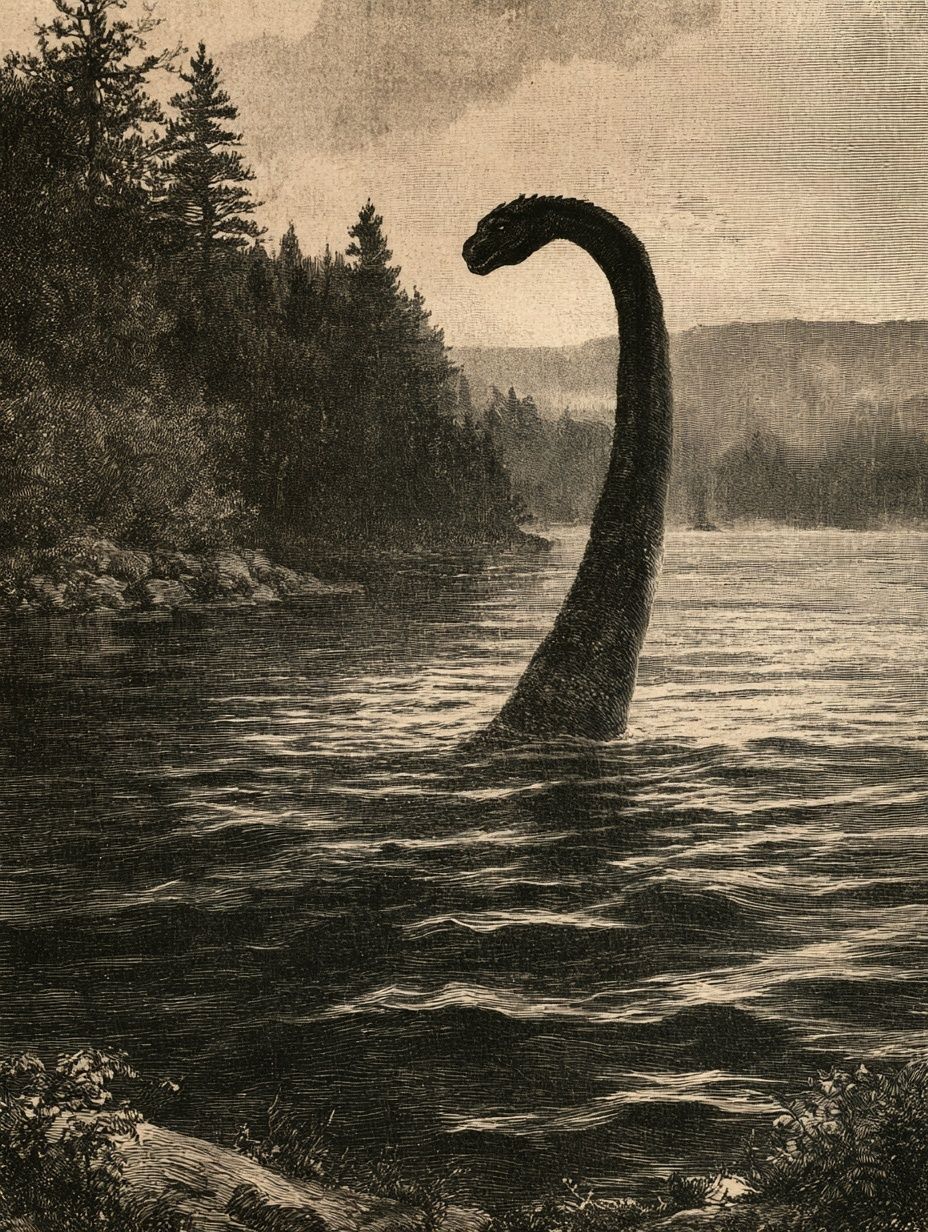
Cirein Cròin: a sea-serpent of Celtic superstition that was supposedly considered the largest animal in the world.
There was a rhyme they used to sing:
“Seven herrings are a salmon’s fill, Seven salmons are a seal’s fill, Seven seals are a whale’s fill, Seven whales are the fill of a Cirein Croin And seven Cirein Créin are the fill of the big devil himself.” - Caithness Rhyme.
Cwn y Wybr: The Welsh name for “dogs that haunt the air”, similar to other animal death omens.
Clootie: The Scotch name of the Devil.
Clootie’s Croft: linked to the above, in Scotland a piece of village land, left unused by the inhabitants of most villages. It is traditional that such pieces were set apart as appeasing gifts to the Devil.
Coblyn: A Welsh modification of Goblin; it’s used to denote spirits that are thought to haunt the mines.
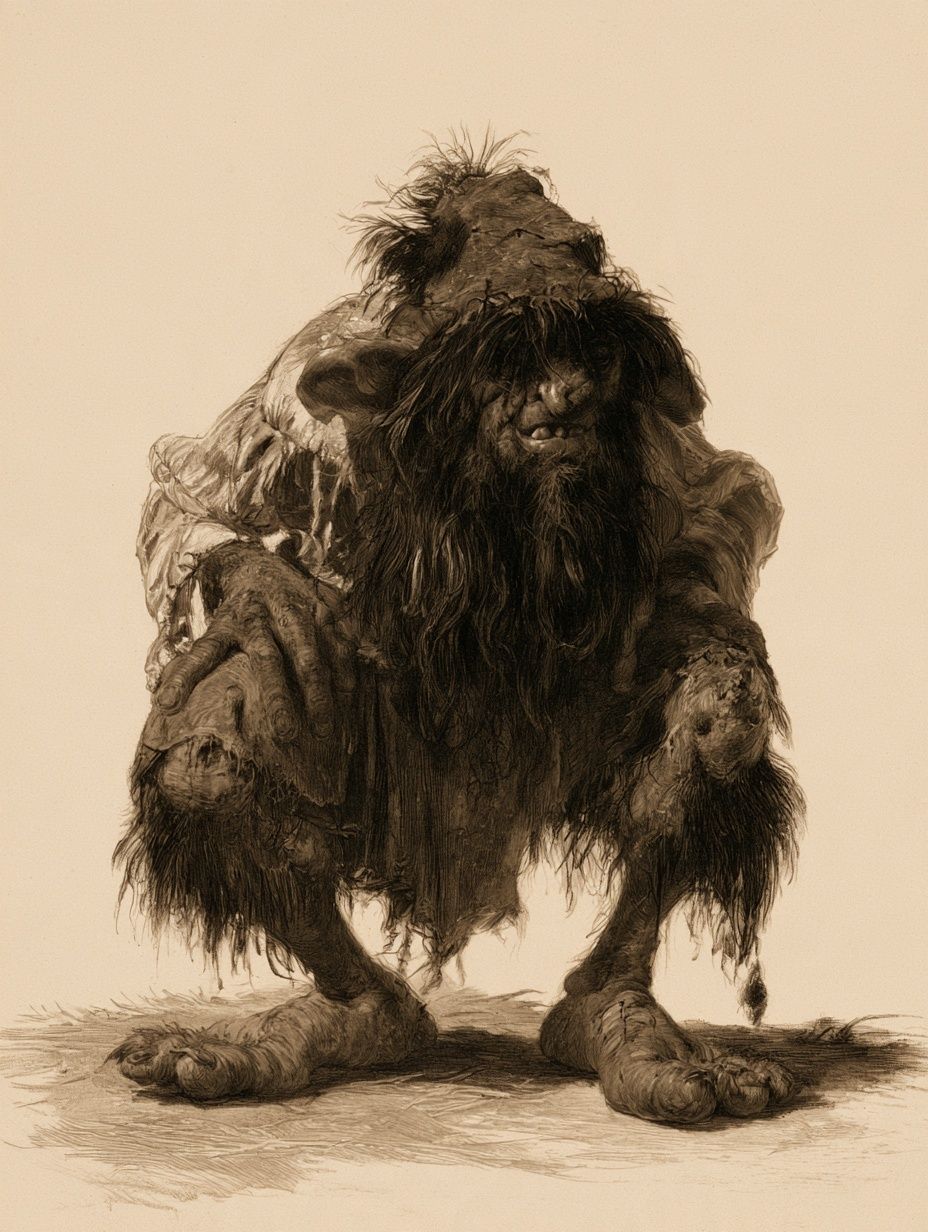
Elyll: In Welsh superstition it’s a hairy, clumsy creature and is the same as a brownie.
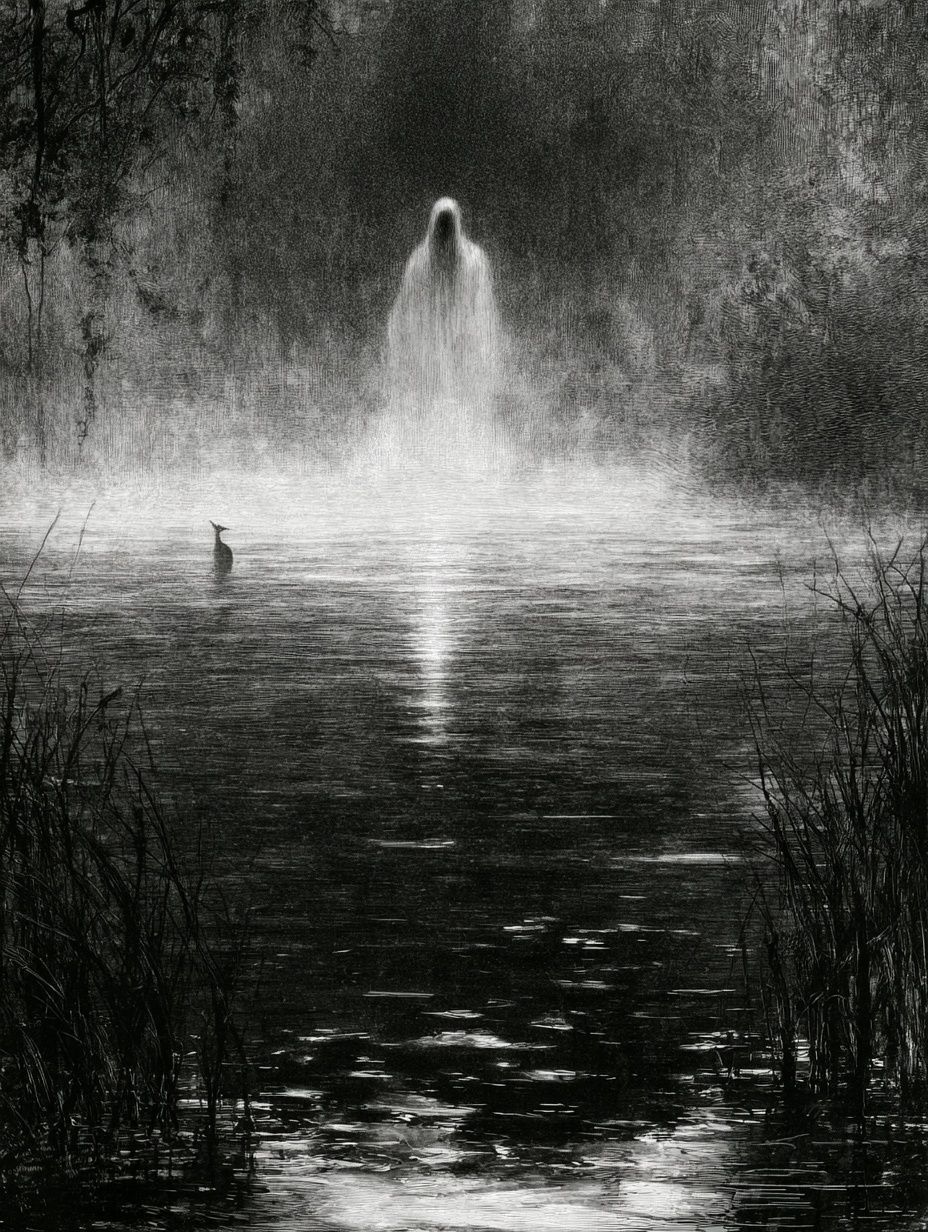
Gwragedd Annwn: These are Welsh fairies of lakes and streams, they aren’t mermaids nor sea-maidens. They are said to be descendants of villagers condemned to sink below the waters for reviling St. Patrick on one of his visits. They may be brought up to the surface by mortals by dropping bread and cheese in the water.
Gigelorum: I ADORE this name. In Celtic superstition this is the smallest animal in the world. All that is known about it is, that it makes its nest in a mite’s ear.
Glaistig/Glaisein/Glaisrig/Glashan/Glasein: Varying names found across Scottish, Manx and other Celtic lore with varying descriptions - often a type of brownie or a type of hybrid spirit of an old woman with long blonde hair.
Gruagach: A Scottish spirit with similarities to the Glaistig, but usually male rather than female.
Other obscure creature names from global folklore
Bugarik: The Garos (India/Banglasdesh) believe this to be a lovely siren, whose head floats on the current. She has the body and arms of a woman, but no legs. She is supposed to kill women and men too, if she can catch them.
Bulderbasse: The Danish name for a Poltergeist
Bullkater: ‘“‘Tom-cat”’; is a German field-spirit.
Bumann: In German children’s superstition, it’s a bogeyman of an indefinite nature.
Buschweiber: The ‘‘ Wild-maidens ”’ or forest-spirits of German superstition.
Bush-asp: a Parsi demon with long hands, who lulls men to sleep and attacks them.
Butze: A German household spirit.
Chlivnik: a Russian household spirit who lives in the cattleshed.
Choorail: from India, this is the designated name of the ghost of a pregnant woman.
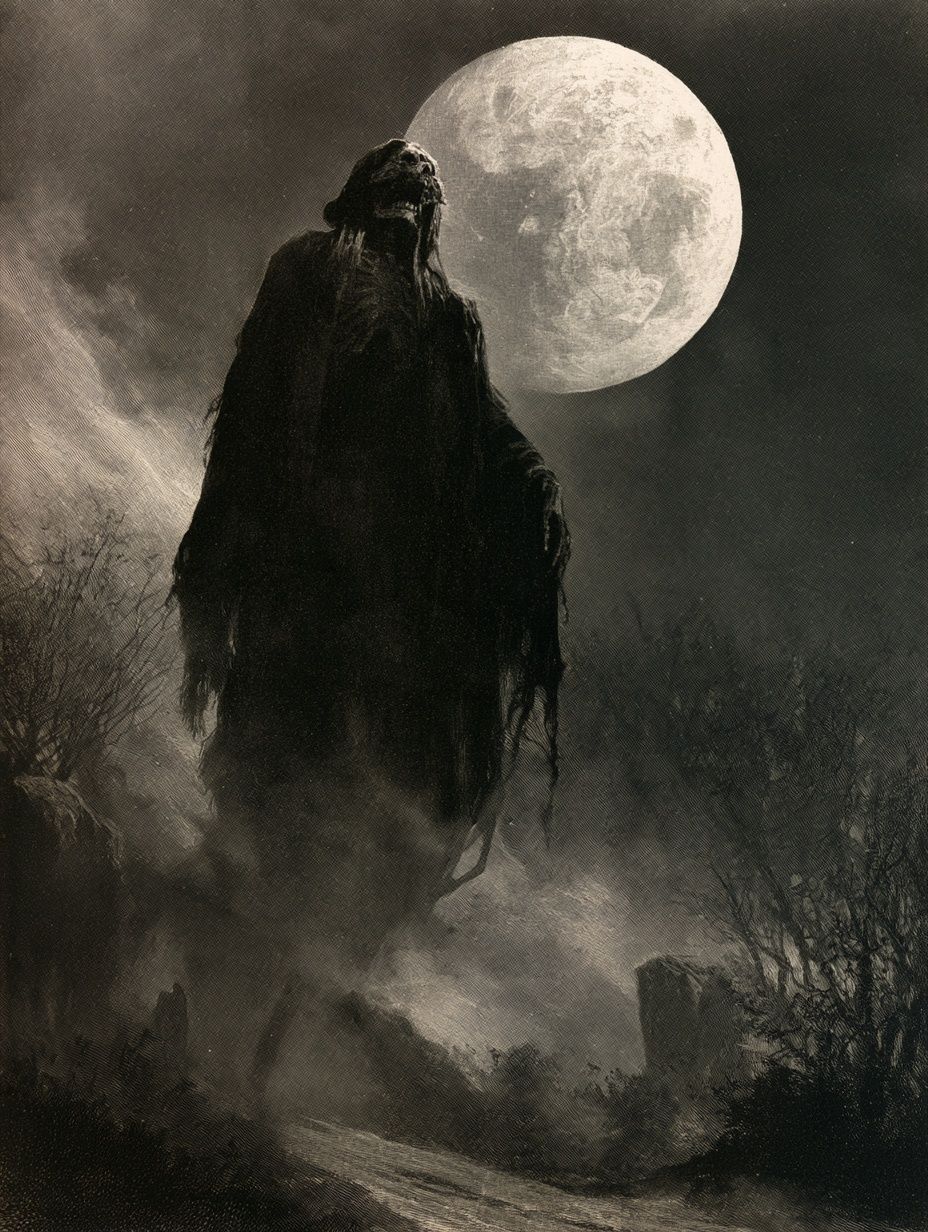
Churel: Also India, In the Deccan Plateau, this is the spirit of a pregnant woman, one dying on the day of childbirth or from postpartum infection. The Churel is particularly malignant to her own family and appears in various forms, but she invariably has her heels in front and toes behind.
Clover Mannikin: a Teutonic field-spirit who lived in the clover fields.
Cluricaune: from Irish Lore, a fairy being having the appearance of a tiny old man, supposed to have a knowledge of buried treasures and to haunt wine-cellars.
Dakini: In Indian superstition it’s a female spirit of a malicious nature. Dakinis are of two kinds: human and ghostly. Girls born on the second, seventh and twelfth day of a month are human dakinis. They cause the death of their husbands and their evil eye injures all things and individuals that come under its influence. Women who die in childbirth become dakinis. A ghostly dakini dresses in fine clothes and wears ornate accessories; but she doesn’t cover her back, which is horrible. In fact it’s so frightful that anyone happening to see it dies of horror. They trouble only women but they are also said to live with men who gradually become emaciated and ultimately die within about six months. They cause cattle to give blood instead of milk. They live upon the flesh of corpses, can assume any form, or swell or shrink their body at will; their feet are reversed. They haunt trees, cemeteries, deserted tanks, cross roads, mines and other desolate places.
Delhan: A demoniacal being of Arab superstition, who inhabits the islands of the seas; it has the form of a man and rides an ostrich. It eats the flesh of men, who have been shipwrecked.
Div: from Turkish Folklore. A giant, a demon, a fiend of gigantic size - and ugly.
Divé zeny’: “Wild women”; female forest-spirits of Bohemian folklore.
Divining Petrel: A kind of sea-bird, considered by sailors as extremely unlucky to kill.
Dobrochot: A Russian pet-name for a demon, especially the domestic spirit.
Dolya: from Slavic Mythology - a personification of the good or the evil fortune of an individual; the Dolya accompanies the person throughout his life.
Domovoy: In Slavic folklore it is a domestic spirit. Every house has its domovoy, who lives with his wife and family. Generally, he has a positive disposition and bears similarities to the Scottish Brownie.
Donaufiirst: An Austrian water-spirit who asks anyone who comes to the river what they most wish for and then ducks (and presumably drowns) them in the river.
Ephesus: in Arabia, it’s a talisman consisting of a piece of paper containing the names of the Seven Sleepers of Ephesus and used to ward off ghosts and demons.
Erl King: In Teutonic and Scandinavian folk-lore, a personification of a spirit or natural power, supposed to work mischief, especially to children.
Esprit Follet: The French equivalent of a Puck, Poltergeist, etc.
Fangen: Forest spirits of German mythology.
Fantine: Swiss Folk-lore. A class of well-disposed fairies.
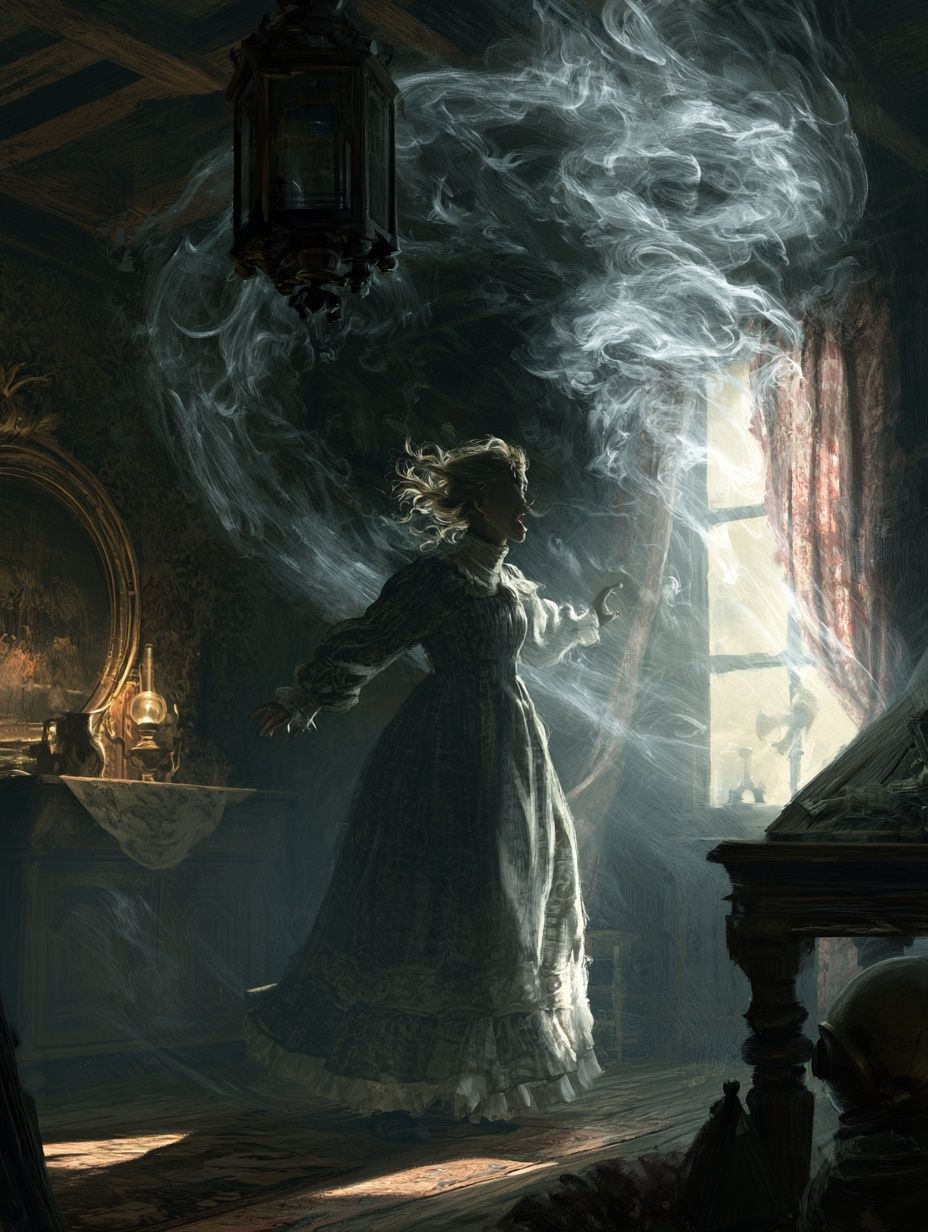
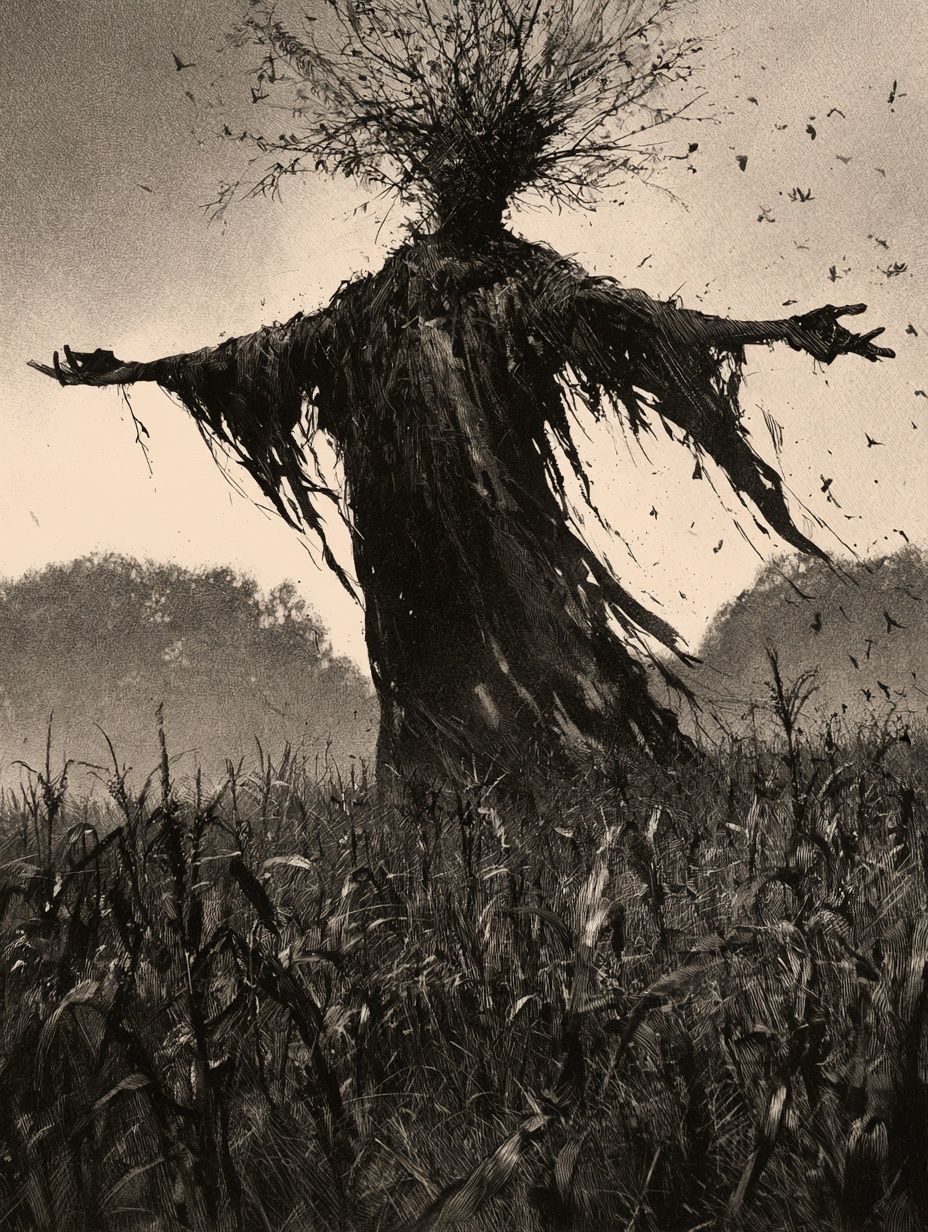
Fir Darrig: Irish lore. A little merry red man, also similar to a Puck.
Gardsvor: ‘‘ House-guardian’’; they are household spirits of Scandinavia, similar to the Nisse.
Gerstenalte: ‘‘Barley-gaffer’’; a Teutonic field-spirit of the human type.
Ghaddar: An evil spirit of Arabic superstition; it’s said to be an offspring of Iblis. It entices men and either tortures them or merely terrifies and then leaves them.
Gharrar: Another spelling for Ghaddar.
Gloso: ‘‘Glow sow”; a field spirit of Swedish folklore.
gNan: They are malignant Tibetan spirits who are believed to cause fast-spreading diseases ; they infest certain trees, rocks, and springs.
Gobelinus - another one I love - according to Ordericus Vitalis (12th century), it was the popular name of a spirit which haunted the neighbourhood of Evreaux, Normandy (France). And an obvious relative of the goblin.
Grumisel-rou: a Swiss spirit, which appears in the form of a red ball of fire.
Hakenmann: from Teutonic Folklore. ‘‘ Hook-man’’; a male nix who was armed with a hook, so that he might drag his victims down into the water.
If someone isn't going to write a story about Gobelinus & Gigelorum then you've really missed a trick.
Feel free to share with me if you do!
You might also like